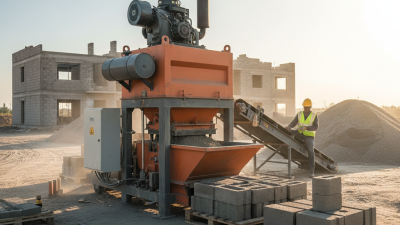
China remains one of the world’s largest cement and construction-material markets. The National Bureau of Statistics of China reported approximately 2.02 billion tonnes of cement production in 2023. Demand has weakened in some property segments, yet infrastructure, municipal upgrades, and rural construction continue supporting equipment purchases.
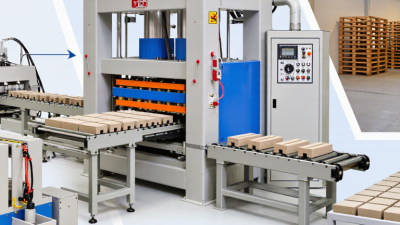
A Cement Block Machine converts concrete mixtures into blocks, pavers, and related products. Its value depends on more than rated capacity. Buyers should examine mould accuracy, vibration performance, automation, energy use, after-sales support, and spare-part availability. A machine producing 10,000 blocks daily can still disappoint if its blocks vary in height or require frequent manual correction.
The Global Cement and Concrete Association estimates that concrete consumption exceeds 14 billion cubic metres globally each year. This scale explains the continuing need for efficient block-production systems. However, manufacturer rankings are not absolute. Public factory data, export records, certifications, and customer evidence are often incomplete. No list is flawless.
This guide identifies ten notable Chinese manufacturers using practical industry criteria. These include manufacturing experience, product range, documented projects, technical support, and international service capability. Information is cross-checked against company materials, trade records, and established industry sources where possible. Readers should still request current quotations, factory videos, test blocks, and warranty terms before purchasing. A polished catalogue is useful. Actual block quality matters more.
Some suppliers focus on compact manual lines. Others build fully automatic systems with pallet circulation, robotic stacking, and integrated curing solutions. The right choice depends on local aggregates, labour costs, output targets, and compliance requirements. Careful comparison can reduce downtime and protect a major capital investment. Industry data provides direction, not certainty.
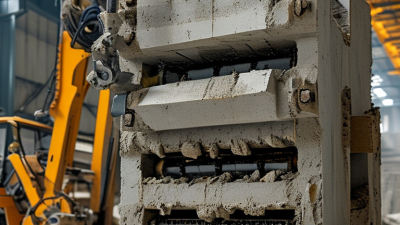
A leading cement block machine manufacturer combines engineering skill with verified production experience. Its factory should show active assembly lines, trained technicians, and documented quality checks. Visitors can inspect welded frames, hydraulic systems, molds, and vibration tables directly. Reliable manufacturers explain how each component affects block density, surface finish, and cycle time. They do not rely on impressive brochures alone.
Technical knowledge appears in practical details. A strong manufacturer matches machine pressure with the customer’s raw materials and block dimensions. It tests cement, sand, and aggregate mixtures before recommending settings. Production records should identify motor specifications, steel grades, control components, and replacement intervals. Clear drawings and operating manuals also reduce training mistakes. Small details matter.
Service reliability is equally important.
Ask for installation procedures, spare-part lists, response times, and real maintenance records. A responsible team discusses noise, dust control, power consumption, and operator safety without exaggeration. Factory visits and sample testing provide stronger evidence than online claims. No supplier gets every detail right. Even experienced manufacturers may underestimate local material changes or delivery delays. That weakness should be acknowledged and managed through testing, written standards, and regular communication. A dependable partner keeps those records accessible long after the machine leaves the workshop.
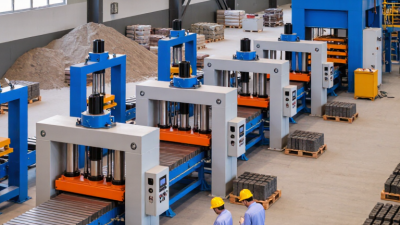
Modern cement block machines rely on several technologies that directly affect strength, output, and operating cost. In China’s leading manufacturing sector, programmable logic controllers coordinate feeding, mixing, vibration, and mold movement with consistent timing. This reduces operator error during long production runs. Sensors monitor material levels and hydraulic pressure. Pressure matters.
Servo-controlled feeding systems improve aggregate distribution inside each mold. A stable mix creates sharper corners and fewer internal voids. Moisture changes everything. Experienced operators still adjust water levels when sand temperature, humidity, or recycled aggregate changes. Automation helps, but it cannot replace practical judgment.
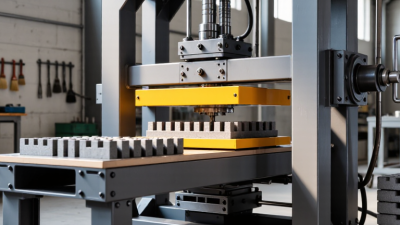
High-frequency vibration is another essential technology. It removes trapped air while compacting the mixture around the mold walls. Too much vibration may separate the mix, while too little leaves weak spots. Modern hydraulic systems also control demolding force more precisely, protecting fresh blocks from cracks. That lesson is costly.
Energy-efficient motors and variable-frequency drives reduce unnecessary power consumption during idle periods. Some machines connect production data to digital dashboards, allowing technicians to track cycle time, pressure changes, and maintenance needs. However, software readings can be misleading when sensors are poorly calibrated. Regular inspection remains necessary. A reliable manufacturer should explain testing procedures, spare-part access, mold tolerances, and safety controls clearly. These details often reveal more than an impressive capacity figure.
China’s Top 10 Cement Block Machine Manufacturers are often judged by more than production capacity. Their equipment usually serves housing, paving, drainage, and infrastructure projects. The strongest manufacturers provide hydraulic systems, vibration tables, automatic material feeding, and adjustable moulds. These details affect block density, surface finish, and daily output.
During factory evaluations, buyers should inspect steel thickness, welding quality, control cabinets, and spare-part access. A reliable manufacturer should explain pressure settings and curing requirements clearly. It should also provide machine testing records, installation guidance, and operator training. Ask for sample blocks.
Real experience matters. A machine may appear efficient during a short demonstration but behave differently under dusty conditions. Some factories offer impressive automation, yet their after-sales response remains uncertain. This weakness deserves attention. Buyers should check export records, technical documents, safety protections, and communication speed before signing a contract.
The top ten list should therefore reflect practical performance, not advertising alone. Manufacturers with stable production lines, documented quality checks, and responsive engineers deserve stronger consideration. Still, no ranking stays perfect. Material moisture, aggregate size, climate, and local labor can change results. A careful buyer should test local materials before selecting the final configuration.
Comparing Chinese cement block machine suppliers requires more than scanning a “top ten” list. The right choice depends on block type, daily output, local power supply, and working conditions. Ask for a complete technical sheet. It should state machine pressure, cycle time, motor details, mold life, and expected yield. Request a live production test using your material. Observe block density, edge quality, demolding, and stacking speed.
A credible supplier shares a factory address, test records, operator training plans, and verifiable customer references. Check whether certificates match the actual model, not an older machine. This detail is often missed. Study the quotation line by line. Shipping, molds, installation, spare parts, commissioning, and taxes can change the final cost. Ask how quickly common wear parts can be dispatched. A low purchase price may hide long downtime.
During supplier calls, test technical communication with practical questions. Can the machine handle your aggregate moisture? What happens when vibration becomes unstable? Clear answers matter more than polished promotional videos. I would also request a small sample batch before signing. Still, samples cannot reveal every maintenance problem. References from similar climates become valuable. Keep all performance promises in the contract, including tolerance, output, warranty response, and training hours.
| Anonymous Supplier Profile | Primary Machine Type | Typical Output Range (8-hour shift) |
Block Size Flexibility | Automation Level | Main Power Requirement | Pallet or Board System | Quality Documentation to Request | Recommended Buyer Profile | Key Verification Point |
|---|---|---|---|---|---|---|---|---|---|
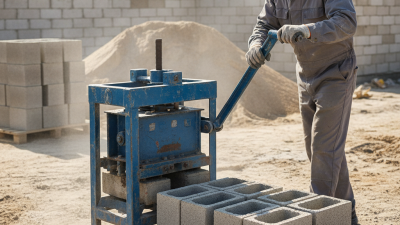
| Profile 01 | Manual vibration press | 1,500–3,000 standard blocks | Basic molds; one or two common sizes | Manual loading and demolding | Approximately 5–15 kW | Reusable plastic or wooden boards | Machine drawings, motor specifications, operating manual | Small contractors and first-time buyers | Actual output during a live trial |
| Profile 02 | Semi-automatic hydraulic press | 3,000–6,000 standard blocks | Hollow, solid, paving and curbstone molds | Semi-automatic feeding and demolding | Approximately 15–30 kW | PVC, bamboo or steel pallets | Hydraulic diagram, electrical list, spare-parts list | Small and medium block plants | Hydraulic pressure stability and mold wear |
| Profile 03 | Automatic vibration press | 6,000–12,000 standard blocks | Multiple interchangeable molds | Automatic feeding and stacking options | Approximately 25–50 kW | Steel or polymer pallets | Factory acceptance test, wiring diagram, conformity documents | Commercial producers requiring consistent quality | Cycle time, vibration uniformity and product density |
| Profile 04 | Fully automatic block production line | 10,000–20,000 standard blocks | Wide mold range with automatic changeover support | Automatic batching, pressing, curing transfer and stacking | Approximately 45–90 kW | Standardized steel or polymer pallets | Layout drawing, commissioning plan, PLC documentation | Medium-scale factories | Line synchronization and automation response time |
| Profile 05 | High-pressure hydraulic block machine | 8,000–18,000 standard blocks | Solid blocks, hollow blocks and paving products | Automatic pressing with semi-automatic material handling | Approximately 40–80 kW | Heavy-duty steel pallets | Pressure test report, hydraulic component list, maintenance schedule | Buyers prioritizing high compaction and durability | Product strength, moisture control and hydraulic leakage |
| Profile 06 | Paving stone and curbstone line | 4,000–10,000 square meters of paving products | Interlocking pavers, tiles and curbstones | Automatic feeding with optional face-mix system | Approximately 35–75 kW | Steel pallets, usually requiring precise flatness | Mold drawings, surface-finish specifications, test samples | Landscaping and infrastructure product suppliers | Surface finish, dimensional tolerance and mold life |
| Profile 07 | Lightweight concrete block line | 5,000–15,000 lightweight blocks | Lightweight wall blocks and insulation units | Automatic batching with controlled material dosing | Approximately 30–70 kW | Plastic, wooden or steel boards | Mixing formula guidance, density test data, curing instructions | Projects focused on insulation and reduced structural weight | Density consistency, dimensional stability and curing results |
| Profile 08 | Integrated batching and block line | 12,000–25,000 standard blocks | Multiple product types using interchangeable molds | Automatic batching, conveying, pressing and stacking | Approximately 60–120 kW | Steel or high-strength polymer pallets | Complete bill of materials, layout, installation and training plan | High-volume regional producers | Total line capacity, material flow and downtime controls |
| Profile 09 | Compact mobile block machine | 3,000–8,000 standard blocks | Common hollow and solid blocks | Mobile or on-site operation with limited automation | Approximately 15–40 kW | Ground production or reusable boards | Mobility specifications, spare-parts list, safety instructions | Remote construction sites and flexible small plants | Transportability, ground-level accuracy and operating safety |
| Profile 10 | Large-scale automated production system | 20,000–40,000 standard blocks | Broad mold portfolio and customized products | PLC-controlled batching, pressing, curing transfer and stacking | Approximately 90–180 kW | Heavy-duty automated pallet circulation | Factory acceptance protocol, risk assessment, commissioning records | Industrial producers and export-oriented projects | Long-term service capability, spare-parts availability and uptime |
Selecting a cement block machine manufacturer requires more than comparing catalog prices. Start with your required block size, daily output, raw material, and available floor space. A machine producing 10,000 blocks daily may be unsuitable for a smaller site. Check cycle time under real operating conditions, not only advertised figures. Ask for test videos using a mix similar to yours. Moisture, sand grading, and cement ratios can change results significantly.
Inspect the manufacturer’s engineering capability. Review the vibration system, hydraulic components, mold thickness, control panel, and safety guards. Durable molds reduce replacement costs and maintain consistent block dimensions. Request production drawings, maintenance schedules, and a list of recommended spare parts. A reliable supplier should explain electrical requirements, installation steps, and operator training clearly. Vague answers deserve caution.
Visit the factory if possible. Observe welding quality, machining accuracy, assembly cleanliness, and final testing procedures. Speak with existing users about downtime, response speed, and actual output. Certifications can support credibility, but they do not replace performance evidence. Calculate the full purchase cost, including shipping, installation, molds, power consumption, labor, and future repairs. The cheapest quotation may become expensive after six months. I have seen buyers focus too heavily on capacity numbers and overlook after-sales support. That mistake is easy to repeat. Leave room for doubt. A transparent manufacturer will discuss limitations, not promise perfect production in every condition.