China Best Interlocking Block Machine Manufacturer?
Choosing the China best Interlocking Block Machine Manufacturer requires more than comparing prices or production claims. A dependable supplier should understand concrete behavior, local materials, factory conditions, and long-term maintenance. The right Interlocking Block Machine must produce accurate shapes, strong edges, and consistent dimensions throughout each shift.
Dr. S. K. Singh, a concrete equipment consultant with extensive field experience, explains, “A reliable block begins with controlled material, pressure, and curing.” This practical view matters on real production floors. A machine may promise 5,000 blocks daily, yet poor vibration or uneven feeding can create cracked corners, weak surfaces, and expensive waste. Numbers look impressive. Results matter more.
This guide examines leading Chinese manufacturers through engineering quality, automation, mold design, after-sales support, and customer experience. It also considers details that brochures often hide. Can the machine handle local aggregate? Are replacement parts available quickly? Does the supplier provide installation training? These questions separate a serious manufacturer from a low-cost seller.
Some buyers focus too heavily on initial investment. That can be a mistake. Electricity use, mold replacement, downtime, and rejected blocks gradually change the real cost. Even experienced purchasers may overlook curing conditions. A powerful machine cannot repair poor curing practices.
The discussion is not intended to declare one universal winner. Project size, labor skills, block designs, and regional standards vary. A manufacturer suitable for a large automated plant may not suit a small contractor. The best choice is more specific, more practical, and sometimes less obvious.

What Is an Interlocking Block Machine?
What Is an Interlocking Block Machine?
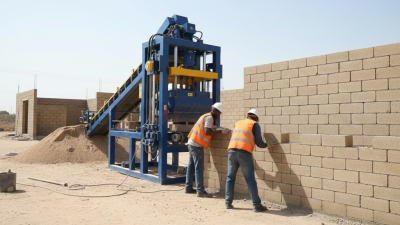
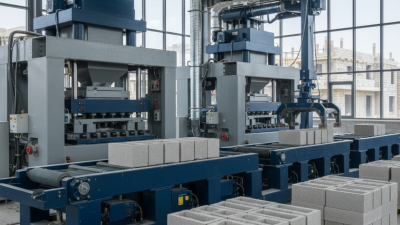
An interlocking block machine forms concrete units with raised edges, grooves, or shaped joints. These features help blocks fit together without thick mortar layers. The machine usually combines a mixer, material feeder, mold, vibration system, hydraulic press, and pallet handling unit. First, cement, sand, stone, and water are blended into a controlled mix. The mold then receives the material. Vibration removes air pockets, while pressure shapes the block.
The process looks simple. It is not always simple. Moisture changes can create chipped corners, weak surfaces, or uneven dimensions. In my experience, operators must check mix consistency every few batches. Mold wear also matters. A small dimensional error can affect an entire paved area. Reported capacity should therefore be read carefully. Output depends on block size, cycle time, curing space, and labor discipline. Some figures assume ideal factory conditions.
The UNEP Global Status Report for Buildings and Construction 2024 states that buildings and construction consumed 32% of global energy and produced 34% of global carbon emissions. This encourages manufacturers to reduce material waste and improve energy efficiency. The machine itself does not create sustainable construction automatically. Recycled aggregates, accurate dosing, proper curing, and durable block design are equally important. ASTM C936/C936M also emphasizes requirements for solid concrete interlocking paving units, including strength, absorption, and dimensional quality. A reliable production line must respect these details, not only chase speed.
How Does an Interlocking Block Machine Work?
China Best Interlocking Block Machine Manufacturer?
How Does an Interlocking Block Machine Work?
An interlocking block machine converts a measured concrete mixture into dense, repeatable masonry units. The process begins with cement, aggregates, water, and optional color additives. A mixer blends these materials until the moisture looks consistent. Too much water weakens the fresh block. Too little water causes poor compaction. This balance often requires practical adjustment, not blind reliance on a fixed recipe.
The mixed material enters a storage hopper above the mold box. A feeding system distributes it into each mold cavity. Vibration removes air pockets while hydraulic or mechanical pressure compresses the mixture. The mold then rises, leaving fresh blocks on a pallet. Their interlocking shapes come from the mold design, so small wear can affect fitting accuracy. It is a simple-looking stage.
After demolding, the blocks move into a controlled curing area. Moisture and temperature influence early strength and surface quality. Operators normally inspect dimensions, edges, density, and visible cracks. Samples may also undergo compressive strength testing under applicable local standards. Production records help identify changes in aggregate moisture or machine pressure.
The machine itself does not guarantee reliable blocks. Calibration matters. Cleaning matters too. A neglected mold can create uneven joints, even when the concrete mix is correct. Experienced technicians check vibration time, filling depth, pallet condition, and pressure settings during routine production. Small errors are easy to miss, but they become expensive across thousands of units.
What Makes a Manufacturer the Best Choice in China?
Choosing the best interlocking block machine manufacturer in China requires more than comparing prices. The GCCA reports that over 14 billion cubic metres of concrete are produced globally each year. This scale increases demand for stable, repeatable block production. A reliable manufacturer should provide moulds with controlled tolerances, consistent vibration, and hydraulic systems designed for long operating cycles. Small details matter.
Factory experience is visible in testing records, not showroom photographs. Ask for compressive-strength results, cycle-time data, and samples made with your local aggregates. Machines should support practical adjustments for moisture, cement content, and curing conditions. A manufacturer familiar with GB/T and EN 1338 requirements can also reduce avoidable quality problems. That is measurable.
Energy performance deserves attention. The International Energy Agency estimates that cement production creates about 7% of global carbon dioxide emissions. Efficient motors, shorter vibration periods, and sensible material dosing can lower operating waste. After-sales support is equally important. Request installation training, spare-parts availability, remote diagnostics, and a clear response procedure. A polished proposal may still hide weak service capacity. No supplier is perfect. The better choice admits limitations, documents risks, and improves the design through real production feedback.
What Makes an Interlocking Block Machine Manufacturer the Best Choice in China?
This buyer evaluation framework assigns a practical weighting to the factors commonly used when comparing manufacturers: machine quality and reliability, customization capability, technical support, delivery performance, compliance documentation, and total cost of ownership. The weighting is company-neutral and should be verified against each project’s production requirements.
How to Evaluate Machine Quality, Capacity, and Support
China Best Interlocking Block Machine Manufacturer?
How to Evaluate Machine Quality, Capacity, and Support
Choosing the best interlocking block machine manufacturer in China requires more than comparing prices. Machine quality begins with the steel frame, vibration system, mould accuracy, and hydraulic stability. Ask for material specifications, weld inspection records, and a sample cycle video. A reliable supplier should explain tolerances clearly. Look closely. Blocks should leave the mould with sharp edges, even density, and consistent dimensions. Request independent compressive-strength tests when possible, rather than trusting polished photographs. It is easy to focus on the machine and overlook curing conditions. That assumption can be costly.
Capacity figures need context. A machine advertised at 10,000 blocks daily may assume ideal mould changes, continuous material supply, and long working hours. Calculate output from cycle time, cavity count, operator breaks, pallet movement, and rejected blocks. Ask for a capacity test using your block size and local mix. Record electricity consumption and required floor space. A slower machine may be better if it produces fewer rejects and needs less maintenance. Check changeover time. That detail is often missed.
Support is part of machine quality. Confirm installation guidance, operator training, spare-parts lists, response channels, and warranty exclusions before signing. Request manuals with wiring diagrams and maintenance intervals. Speak with several existing users, not only selected references. Their comments may reveal delayed parts or difficult calibration. No supplier is perfect. A thoughtful evaluation leaves room for mistakes, climate differences, and future production changes. Choose evidence over confident promises, and keep every specification in writing.
Which Applications and Block Types Can the Machine Serve?
China Best Interlocking Block Machine Manufacturer?
The right interlocking block machine depends on the product, site conditions, and expected output. It can produce paving blocks for sidewalks, driveways, courtyards, and industrial yards. With suitable molds, the same production line may also form solid blocks, hollow blocks, curbstones, grass pavers, and retaining wall units.
Different block types require different pressure, vibration, feeding methods, and mold designs. Dense paving blocks need accurate material distribution and strong compaction.
Hollow blocks require stable vibration without damaging thin internal webs. Grass pavers need open sections that remain clean during demolding.
Curbstones often demand larger molds and careful handling because their edges chip easily.
Mold flexibility matters.
From practical production experience, moisture control affects results more than many buyers expect. A mixture that looks correct may still produce weak corners or uneven surfaces. Operators should check aggregate size, cement proportion, vibration time, and curing conditions every day.
Automated controls improve consistency, but they cannot correct poor material preparation. That part is often underestimated.
The machine should also match local power supply, available floor space, maintenance skills, and daily capacity. A high-output model may appear attractive, yet it can become inefficient when orders remain small or mold changes take too long. Careful testing with the intended raw materials is more reliable than judging performance from photographs alone.