Leave Your Message

How to Choose a Top China Hollow Block Machine?

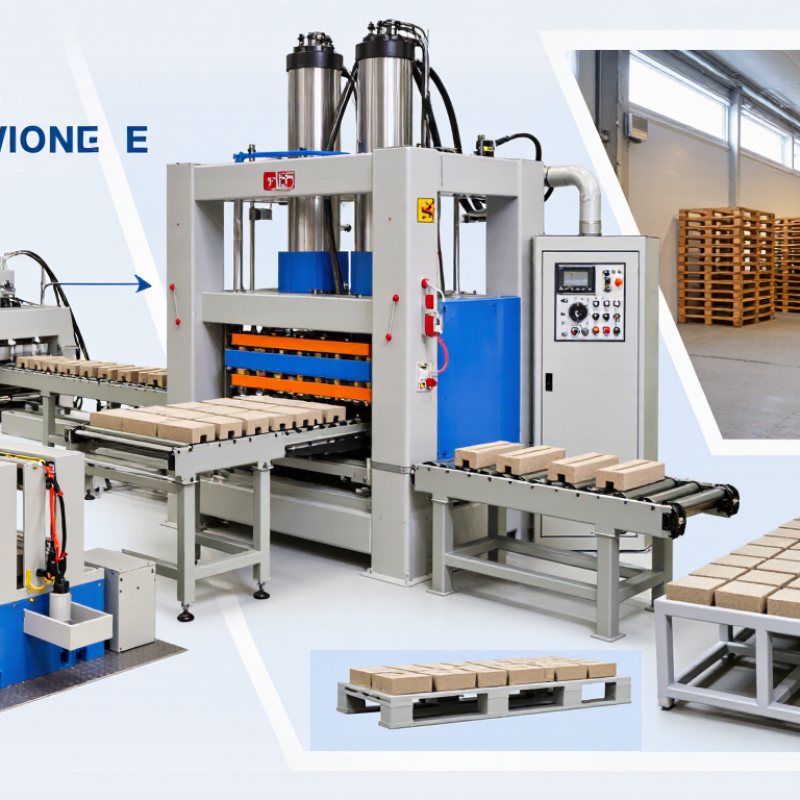
Choosing a top China Hollow Block Machine requires more than comparing prices on supplier websites. The right decision depends on block size, raw materials, daily output, factory space, and local construction requirements. A machine producing 8-inch hollow blocks may not suit projects using thinner partition blocks. Consider the complete production line, including the mixer, conveyor, mold, pallet system, curing area, and control cabinet. Small details matter. A weak pallet can create uneven block edges after repeated cycles.

Experienced buyers should request clear technical data, test videos, and sample blocks from similar materials. Ask whether the machine uses reliable hydraulic components and whether replacement parts are available in your market. A professional manufacturer should explain vibration frequency, pressure, cycle time, power consumption, and realistic output. Be cautious with impressive numbers. Actual production may fall when workers change molds or materials vary.

Supplier credibility also deserves careful checking. Review factory records, customer references, quality procedures, installation support, and warranty terms. Visit the plant if possible. Touch the finished blocks. Inspect welds, electrical labeling, and maintenance access. These observations often reveal more than polished brochures. Compliance with applicable safety and electrical standards should be confirmed before purchase and installation. No checklist is perfect. I have seen buyers focus on output while ignoring training and curing space. That mistake can reduce block strength and increase waste. A dependable Hollow Block Machine should match your operation, not merely advertise the highest capacity. Reliable advice comes from verified specifications, practical testing, and honest discussion of limitations.
How to Choose a Top China Hollow Block Machine?

Understanding Hollow Block Machine Types and Production Methods

How to Choose a Top China Hollow Block Machine?

Understanding Hollow Block Machine Types and Production Methods

China’s hollow block machines generally use hydraulic pressing, mechanical vibration, or combined vibration-pressure forming. Each method suits different aggregates, block sizes, and production targets. Vibration improves compaction, while hydraulic pressure can create sharper edges and higher density. A practical test should examine fresh blocks immediately. Crumbling corners often indicate poor moisture control, not weak machinery.

Automatic lines support batching, molding, pallet transfer, and curing with limited manual handling. Semi-automatic systems cost less and may suit smaller projects, but they require steadier operator supervision. Research and Markets identifies infrastructure growth as a major driver of concrete block equipment demand. Meanwhile, the International Energy Agency reports that cement production creates about 7% of global carbon dioxide emissions. Lower-cement mixes, recycled aggregates, and accurate dosing therefore deserve attention during machine selection.

Do not judge output by catalog figures alone. Compare usable blocks per hour, mold-change time, vibration frequency, power consumption, and dimensional tolerance. The World Bank reports that over half of the global population lives in urban areas, sustaining demand for efficient masonry production. Still, local climate matters. Ambient curing may work in warm, humid regions, while controlled curing offers more consistent strength in colder conditions. A perfect spreadsheet misses dust, weather, and operator habits. That assumption can fail. Ask for trial records, compressive-strength results, spare-part lead times, and clear maintenance procedures before purchasing.
Defining Project Requirements and Target Block Specifications

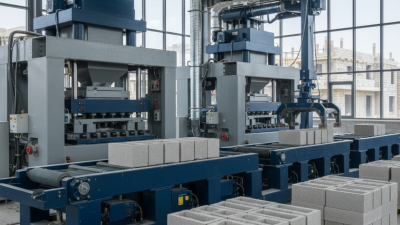
Before choosing a top China hollow block machine, define the block you must produce. Record length, width, height, wall thickness, density, and required compressive strength. Also confirm whether the blocks are load-bearing, partition, insulated, or paving units. ASTM C90 commonly requires a minimum average net-area strength of 13.8 MPa for loadbearing concrete masonry units. Local standards may differ.

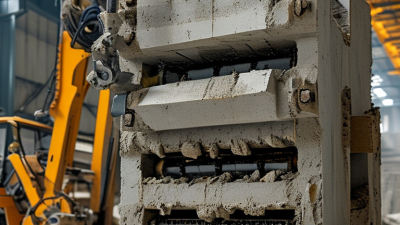
Production targets matter equally. Estimate daily demand, available working hours, pallet capacity, curing space, and cement storage. A machine rated for 10,000 blocks per day may underperform when frequent mould changes, wet curing, or manual handling are included. Test the intended mix before purchase. Measure vibration response, demoulding stability, edge damage, and dimensional accuracy. Small cracks often reveal poor moisture control, not weak machinery.

Environmental performance deserves attention. The IEA reported that cement production generated about 2.5 gigatonnes of direct CO2 emissions in 2022. Using recycled aggregates or lower-cement mixes can reduce impact, but these materials may change flowability and block strength. The machine should handle the approved mix consistently, rather than simply advertise maximum pressure. In practice, the “best” model is sometimes oversized, complicated, and wasteful. That is easy to overlook. Require sample blocks, test reports, maintenance records, and operator training before final selection.

Evaluating Machine Quality, Capacity, and Automation Features

How to Choose a Top China Hollow Block Machine?

Machine quality starts with the block, not the brochure. During factory checks, inspect welds, hydraulic lines, mould alignment, and vibration stability. A reliable machine should produce consistent dimensions and clean edges across repeated cycles. Test blocks should meet relevant requirements, such as ASTM C90 or EN 771-3. The IEA’s 2023 cement report estimates global cement production at about 4.1 billion tonnes in 2022. This scale increases pressure for efficient, low-waste production. However, higher output does not always mean better value.

Capacity must match your curing yard, labour supply, and local demand. Ask for verified cycles per hour, not only theoretical figures. Measure one full cycle, including filling, vibration, mould release, and pallet transfer. Automation deserves equal attention. The World Robotics 2024 report recorded 276,288 industrial robot installations in China during 2023. This shows strong automation growth, but a block plant still needs practical controls. Remote monitoring, automatic material feeding, fault alarms, and recipe storage can reduce operator errors. They cannot repair poor aggregates.

Tips: Request a live production test using your intended mix. Check ten consecutive blocks for height, density, and visible cracks. Review spare-part availability and maintenance response times. My own mistake would be trusting speed before checking curing space. That decision can create bottlenecks. A slower machine may perform better when its output remains stable.

How to Choose a Top China Hollow Block Machine

The chart compares typical hollow block machine categories by hourly output and automation level. Fully automatic systems generally provide higher production capacity, more consistent block quality, and better process control, while semi-automatic and manual systems may require lower initial investment. Output figures are typical planning ranges and vary with block size, mold design, curing conditions, and operating efficiency.

Checking Manufacturer Reliability, Certifications, and Technical Support

Choosing a top China hollow block machine starts with the manufacturer, not the catalogue photograph. During a factory visit, inspect weld seams, hydraulic fittings, electrical cabinets, and stored spare parts. Ask to see live production, then measure block dimensions and surface consistency after curing. A clean showroom proves little. Request three recent customer references with similar climates and production capacities. Speak with operators, not only sales staff. Their comments may reveal noisy pumps, delayed parts, or difficult mould changes.

Reliable documentation matters. Check whether ISO 9001 covers the actual manufacturing site and quality process. For safety, confirm that CE or other required conformity documents apply to the exact model and destination market. Verify certificate numbers, issuing bodies, dates, and test reports independently. Look beyond logos. Ask for material certificates, factory acceptance test procedures, and a written list of excluded components. My checklist was once incomplete; I focused on certification labels and overlooked local installation requirements. That mistake can become expensive.

Technical support should be measurable. The contract should identify commissioning duties, training hours, response times, remote diagnosis, and spare-parts availability. Request manuals with wiring diagrams, lubrication intervals, fault codes, and mould-adjustment instructions. A video call cannot replace every site visit. Confirm who pays for travel and how urgent failures are handled. Test the machine with your aggregate and mix design before purchase. Supplier materials may hide performance problems. Leave room for doubt. A dependable manufacturer should welcome difficult questions and admit limits involving operator skill, curing conditions, and maintenance discipline.

How to Choose a Top China Hollow Block Machine? Manufacturer Reliability, Certifications, and Technical Support Evaluation Table
Evaluation Dimension What to Verify Practical Evidence to Request Recommended Screening Benchmark Common Risk Signal Weight Suggested Score
Manufacturer Operating History Assess whether the manufacturer has sustained experience producing concrete block equipment rather than only trading machinery. Factory profile, production records, completed project references, equipment serial-number records, and a verifiable business registration. Prefer a documented operating history of at least 5 years in block-making equipment, with references for machines of a similar configuration. Only a trading address, unverifiable project photos, or no identifiable production facility. 15% 0–5
Quality Management System Check whether manufacturing, inspection, corrective action, and document control are managed through a consistent quality system. Valid ISO 9001 certificate, certification scope, issuing body, certificate number, validity dates, and matching legal entity information. Certificate should be current, independently verifiable, and cover machinery design or manufacturing activities relevant to the equipment. An expired certificate, a certificate covering an unrelated activity, or a document that cannot be verified. 10% 0–5
Product Safety and Compliance Confirm that the machine design addresses guarding, emergency stops, electrical safety, operating instructions, and risk assessment. Declaration of Conformity where applicable, risk assessment, electrical diagrams, safety-component list, user manual, and applicable test records. Documentation should identify the exact model, applicable legal requirements or standards, responsible legal entity, and revision date. A generic “CE certificate” without a model number, technical file support, or declaration signed by the responsible entity. 15% 0–5
Machine Capacity Transparency Compare the stated output with block size, product type, cycle time, pallet arrangement, concrete mix, and working hours. Technical data sheet, cycle-time calculation, tested production report, mold drawings, and sample blocks produced with the proposed mix. Capacity claims should specify blocks per cycle, cycles per hour, block dimensions, number of working hours, and expected operating efficiency. Only a daily output figure is provided, with no cycle time, block size, mix condition, or efficiency assumptions. 15% 0–5
Core Components and Maintainability Review the durability, accessibility, and replaceability of vibration, hydraulic, electrical, mold, and control-system components. Component list, hydraulic and electrical schematics, maintenance intervals, spare-parts list, lubrication chart, and wear-part specifications. Critical components should have clear specifications, standard interfaces where possible, and documented replacement procedures. Unlabeled components, unavailable drawings, proprietary parts without alternatives, or no preventive-maintenance schedule. 15% 0–5
Factory Acceptance Testing Verify that the complete machine is assembled, operated, and inspected before shipment. FAT checklist, test video showing the machine nameplate or serial number, dimensional inspection records, sample blocks, and signed acceptance report. Testing should cover automatic sequence, vibration, hydraulic pressure, safety devices, cycle time, block dimensions, and continuous operation. The supplier refuses live testing or provides only edited videos without identifiable equipment information. 10% 0–5
Installation and Commissioning Support Evaluate how the supplier will help with foundation preparation, installation, calibration, trial production, and operator training. Installation manual, foundation drawing, commissioning plan, training agenda, remote-support procedure, and on-site service quotation if required. A clear commissioning process should include mechanical installation, electrical checks, mold alignment, mix adjustment, trial production, and handover training. No installation drawings, no named technical contact, or responsibility for commissioning is excluded from the quotation. 10% 0–5
After-Sales Response and Spare Parts Check the availability of technical assistance, troubleshooting, replacement parts, and software or control-system support. Service-level policy, response-time commitment, spare-parts quotation, recommended one-year stock list, remote-diagnostic method, and warranty terms. Prefer written confirmation of response times, warranty coverage, parts lead times, and support channels in the buyer’s working language. Verbal-only promises, unclear warranty exclusions, no spare-parts pricing, or long and undefined response times. 10% 0–5
Recommended Decision Rule: Select the supplier with the strongest verified evidence, not simply the lowest purchase price. 100% Target: ≥ 4.0 / 5

Comparing Total Costs, Delivery Terms, and Long-Term Value

How to Choose a Top China Hollow Block Machine?

Choosing a top China hollow block machine starts with total cost, not the quoted machine price. Request a line-by-line quotation covering molds, spare parts, installation, training, packing, inland transport, and taxes. A low offer may exclude essential items. Buyers often underestimate electrical upgrades and forklift access. Measure these needs before comparing suppliers. That is practical.

Delivery terms deserve equal attention. Confirm whether the price is EXW, FOB, CIF, or another agreed term. Ask who handles export documents, port charges, insurance, and final delivery. Get the production schedule in writing, including factory testing and loading dates. A delayed machine can leave workers and rented space idle. Contract remedies may still be vague.

Long-term value depends on output consistency, energy use, mold life, and technical support. Compare blocks produced per hour under realistic cement ratios, not showroom claims. Check component availability and response times for remote troubleshooting. A cheaper machine may consume more power or require frequent manual adjustment. That difference grows monthly. Include a sample production test and a three-year operating estimate. Estimates remain imperfect. Fuel prices, labor skills, and market demand can change quickly. Leave room for those risks.