Top 10 Benefits of Using Interlocking Block Machine in Construction?
In the construction industry, efficiency and sustainability are increasingly paramount. The Interlocking Block Machine (IBM) has emerged as a transformative tool. According to a market analysis by Statista, the global demand for construction machinery is projected to grow significantly, with a notable rise in interlocking block technology adoption, estimated at 15% annually. This technology not only enhances productivity but also reduces material waste.
With the IBM, builders can achieve a quicker assembly of structures. Reports indicate that projects using interlocking blocks can be completed up to 30% faster compared to traditional methods. Additionally, the blocks themselves are designed for optimal durability and thermal insulation, contributing to energy efficiency in buildings. However, while the initial investment in an Interlocking Block Machine might seem steep, the long-term savings on labor and materials are compelling.
Yet, challenges do exist. Operators must be trained properly to maximize output and maintain quality. Without this expertise, the benefits can diminish. Exploring these aspects reveals the profound advantages of integrating the Interlocking Block Machine into modern construction practices.
Benefits of Increased Production Efficiency with Interlocking Block Machines
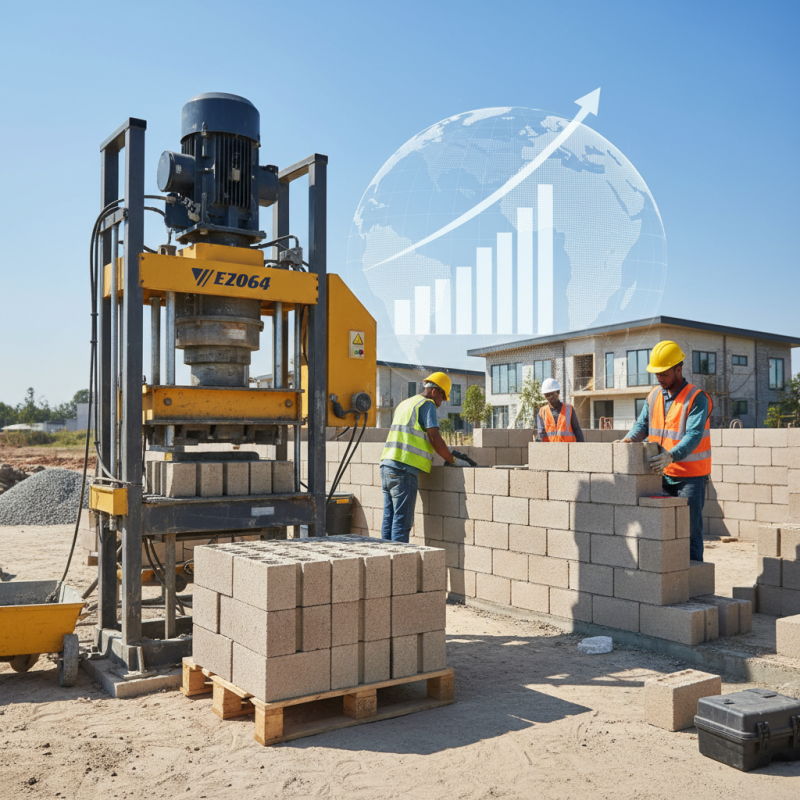
Interlocking block machines revolutionize construction efficiency. These machines produce blocks faster than traditional methods. A report by the Construction Industry Institute states that production rates can increase by up to 30% with interlocking technology. This is crucial as faster production leads to reduced labor costs and accelerated project timelines.
In addition, the precision of these machines minimizes waste. Research shows that waste reduction can reach 15% in the use of interlocking blocks. This efficiency not only saves materials but also lowers construction costs. Additionally, projects become more sustainable, which is increasingly valued in today’s market.
While interlocking block machines offer impressive benefits, challenges exist. Initial investment costs can be high. Also, proper training is essential to maximize the potential of these machines. Companies must consider these factors to truly benefit from enhanced efficiency. Balancing these advantages and potential drawbacks is vital for successful adoption.
Cost-Effectiveness: Saving on Material and Labor Expenses
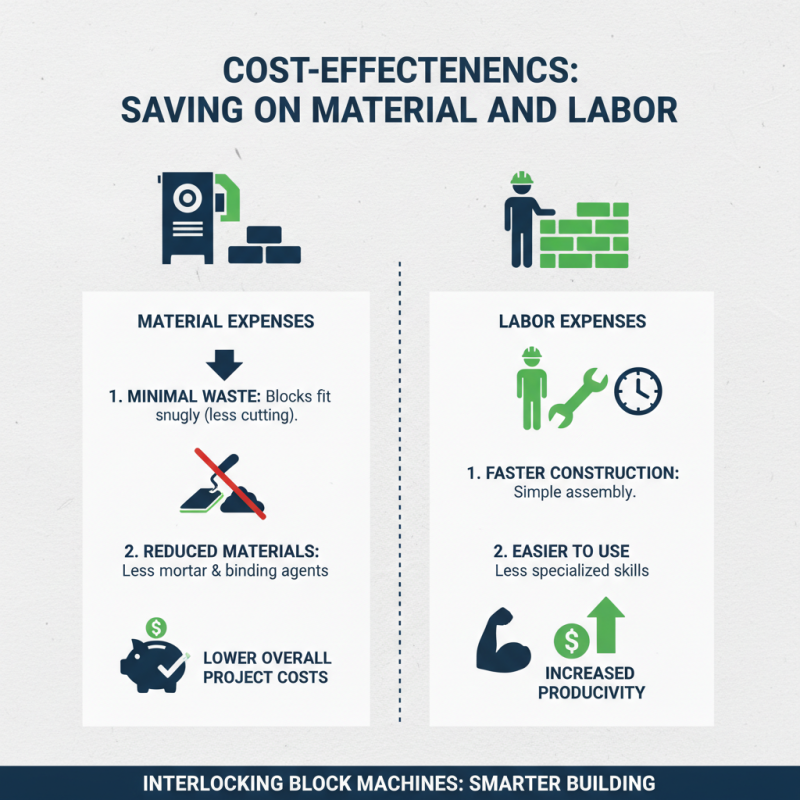
Interlocking block machines offer significant cost-effectiveness in construction projects. They minimize material waste, as the blocks are designed to fit snugly together. This efficiency reduces the need for mortar and additional binding materials. When builders use these machines, they can save on material expenses, leading to lower overall project costs.
Labor expenses also decrease with interlocking block machines. These machines are user-friendly, allowing workers to lay blocks quickly and without extensive training. The fast installation process saves time, translating to reduced labor costs. In many cases, fewer workers are needed on-site. However, it is essential to ensure proper care when operating these machines. Mishandling can lead to production delays and additional expenses.
Implementing interlocking block machines may seem like a large initial investment, but the long-term savings can be substantial. Many construction firms need to balance upfront costs with future benefits. Some projects might not fully take advantage of this technology. Continuous reflection and adaptation in construction methods are crucial for achieving optimal results.
Enhancing Structural Strength and Durability of Constructions
Interlocking block machines have revolutionized the construction industry by enhancing structural strength and durability. According to a report from the World Bank, modern construction methods using interlocking blocks can increase a building's resistance to natural disasters by 30%. These blocks create a seamless bond, providing superior stability in comparison to traditional brick and mortar.
Additionally, interlocking blocks are designed to withstand various environmental conditions. A study published in the Journal of Building Performance indicated that structures built with interlocking blocks showed a 15% reduction in maintenance costs over time. The inherent design allows for efficient water drainage, reducing the risk of mold and water damage. However, the effectiveness of these blocks relies heavily on proper installation.
While the benefits are significant, some challenges still exist. Not everyone in the construction sector is familiar with these methods, leading to inconsistent application. Adequate training is essential. Furthermore, some builders question the initial investment costs. Yet, over the long term, reduced upkeep and enhanced durability suggest that these blocks can be a cost-effective choice. Engaging in deeper discussions and providing education on their benefits can mitigate these concerns.
Top 10 Benefits of Using Interlocking Block Machine in Construction
Sustainability: Eco-Friendly Practices in Block Production
Sustainability is becoming essential in construction. Using interlocking block machines offers eco-friendly practices in block production. These machines create blocks from natural materials like soil and cement, reducing reliance on hazardous materials. The process minimizes waste and conserves natural resources. By utilizing local materials, transport emissions drop significantly.
Energy consumption is another critical factor. Interlocking block machines often require less energy than traditional block-making processes. This reduction leads to a smaller carbon footprint. Additionally, the blocks produced have excellent insulation properties. This quality can lead to lower energy costs in heating and cooling buildings. Yet, while the benefits are clear, challenges exist. Not every region has access to the technology or training needed for optimal use.
Recycling can also be an imperfect aspect. Some projects might fail to incorporate recycled materials effectively. This can lead to missed opportunities for further sustainability. Overall, while interlocking block machines promote eco-friendly practices, continuous improvement and education are crucial. The construction industry has a long way to go in refining these processes.
Top 10 Benefits of Using Interlocking Block Machine in Construction
| Benefit |
Description |
Sustainability Aspect |
| Cost Efficiency |
Reduces labor and materials cost through efficient block production. |
Use of local materials minimizes transport impact. |
| Time Savings |
Faster construction process with interlocking blocks. |
Reduces time on-site, limiting environmental disruption. |
| Durability |
Interlocking blocks provide strong structural integrity. |
Long-lasting products reduce the need for future replacements. |
| Low Waste |
Precision manufacturing leads to less waste material. |
Minimizing waste contributes to resource conservation. |
| Energy Efficiency |
Blocks can enhance thermal performance of buildings. |
Reduces energy consumption in heating/cooling. |
| Versatility |
Suitable for various structures and applications. |
Adaptable use promotes sustainability in diverse projects. |
| Aesthetic Appeal |
Available in various colors and textures. |
Encourages eco-friendly design without compromising style. |
| Ease of Use |
User-friendly construction methods for laborers. |
Simpler training leads to better job satisfaction. |
| Environmental Impact |
Reduces carbon footprint by optimizing material usage. |
Supports eco-conscious construction efforts. |
Versatility in Design and Construction Applications of Interlocking Blocks
Interlocking blocks provide a remarkable versatility in design for construction projects. Their unique shape allows them to fit together seamlessly, which enables the construction of varied structures. From simple walls to complex buildings, the application possibilities are vast. For instance, these blocks can be used to create retaining walls, sound barriers, and even decorative garden features. Each design not only meets functional needs but also enhances the aesthetic appeal of a project.
One of the great advantages of using interlocking blocks is their adaptability. These blocks can be easily modified to suit different architectural styles. This flexibility helps architects and builders meet diverse client requirements. However, relying too much on interlocking block designs can sometimes limit creativity. It’s essential to balance innovative ideas with practical applications. By doing so, construction professionals can achieve striking designs while leveraging the structural benefits of interlocking technology. The potential is significant, yet it invites reflection on pushing design boundaries.