What is a Manual Block Machine and How Does it Work?
In the ever-evolving construction industry, the Manual Block Machine stands out as a pivotal tool. According to industry expert Dr. Emily Carson, “A Manual Block Machine can revolutionize local production.” This machine allows small to medium enterprises to produce high-quality concrete blocks with minimal investment.
The Manual Block Machine operates on straightforward principles, yet it requires skillful handling. Users must understand the intricacies of mixing, molding, and curing. Each step plays a crucial role in achieving durability and strength in the final product. While the machine offers flexibility, it also demands consistent attention to detail.
Moreover, the Manual Block Machine has its limitations. It may not be suitable for large-scale operations due to its manual nature. There is a learning curve involved that some operators might find challenging. Yet, with proper training, it remains a reliable choice for many. This balance of ease and complexity makes the Manual Block Machine both an accessible and thought-provoking option in construction.
What is a Manual Block Machine?
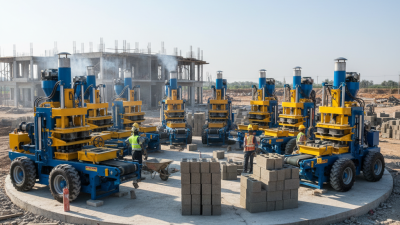
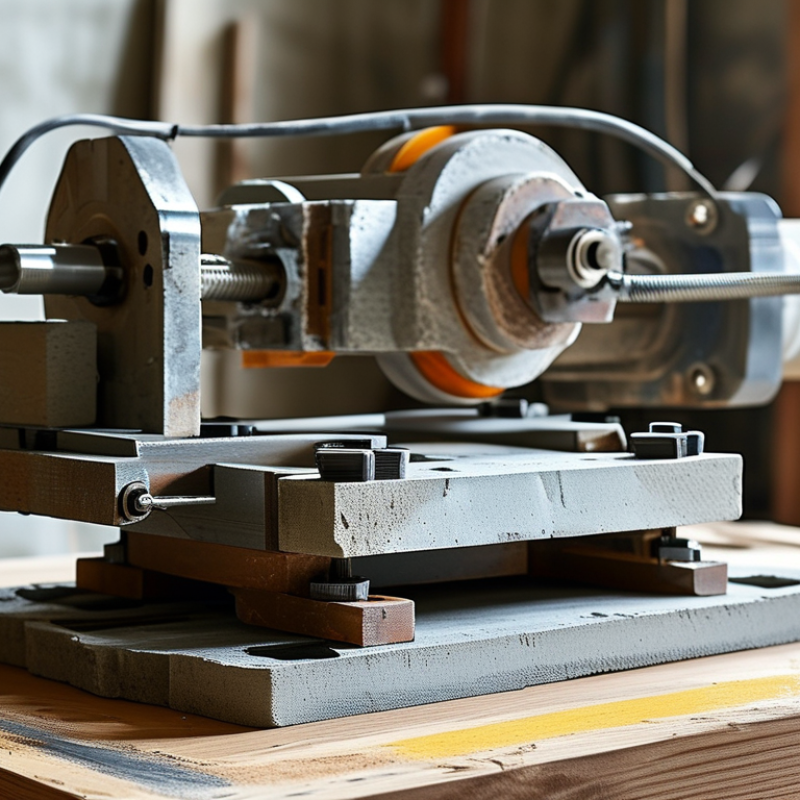
A manual block machine is a device designed for producing concrete blocks. It operates without the need for complicated machinery, making it accessible for small-scale operations. These machines are often utilized in construction projects where concrete blocks are needed. They work by compressing concrete mix into molds, forming sturdy blocks ready for use.
The process begins with a mixture of cement, sand, and aggregates. This blend is poured into the machine's mold. Operators then manually engage a lever to compress the mixture. It's a straightforward yet effective method. However, achieving consistent quality can be challenging. Variations in mix proportions or compaction pressure can lead to discrepancies in block strength.
Users should pay attention to the maintenance of the machine. Keeping it clean and lubricated ensures better performance. Also, varying weather conditions can affect concrete curing time. It's important to experiment and adjust techniques accordingly. These factors highlight the need for ongoing learning and improvement in utilizing a manual block machine.
Manual Block Machine Production Capacity
This chart illustrates the production capacity of a manual block machine in terms of blocks produced per hour across different scenarios: ideal conditions, average conditions, and challenging conditions.
Components of a Manual Block Machine
A manual block machine is designed to produce concrete blocks efficiently. The core components of this machine play a significant role in its operation. The main parts include a mold, a frame, and a compaction system. Each part must be carefully engineered to ensure quality output.
The mold is essential as it determines the shape and size of the block. High-quality steel molds last longer and can handle higher pressure during the compaction process. According to industry reports, molds made from durable materials can enhance the lifespan of the machine, resulting in reduced maintenance costs.
The frame provides the necessary stability for the machine. It must endure significant forces during operation. A robust frame enhances the machine's durability and effectiveness. The compaction system usually includes a hydraulic or mechanical mechanism that compresses the mixture into solid blocks. This compaction is crucial for ensuring the density of the concrete block. Achieving the right density is a balance; too much pressure can lead to cracks.
**Tip:** Regularly inspect your molds and frames. This maintenance helps prevent mechanical failures and ensures consistent block quality. Consider keeping spare parts on hand to minimize downtime during production.
The Working Principle of Manual Block Machines
Manual block machines play a crucial role in the construction industry. These machines are designed to produce concrete blocks without the need for electrical power. They rely on human effort to operate, making them cost-effective and ideal for small-scale projects. The working principle of manual block machines is simple yet efficient.
A typical manual block machine consists of a frame, mold, and a hopper for mixing. The operator mixes sand, cement, and gravel in specific ratios. According to the International Journal of Concrete Engineering, the ideal mix ratio is often cited as 1:2:3 for strength and durability. Once mixed, the material is poured into the mold. The operator then exerts pressure manually, compacting the mixture into a solid block. This process can produce several blocks in an hour, depending on the machine's capacity.
**Tip:** Always ensure your mix retains the right moisture content to avoid cracks in the blocks.
Despite their efficiency, manual block machines have limitations. The reliance on manual labor can result in inconsistencies in block quality. To address this, training operators on best practices is essential. Research from the Construction Industry Institute highlights that consistent training can improve output by up to 30%.
**Tip:** Regularly inspect molds for wear and tear to maintain block uniformity.
Understanding these machines' working principles can lead to better operational practices and improved product quality, ultimately benefiting construction projects.
What is a Manual Block Machine and How Does it Work?
| Feature |
Description |
Advantages |
Applications |
| Machine Type |
Manual Block Machine |
Low operational cost |
Construction, Paving |
| Operation |
Manual operation using hydraulic pressure |
Simple to use, no electricity required |
Small scale projects |
| Production Capacity |
Varies, typically 300-800 blocks per day depending on operator skill |
Flexible output based on demand |
Residential buildings, gardens |
| Materials Used |
Cement, sand, gravel, and water |
Widely available materials |
Block production for various structures |
| Maintenance |
Regular checks and lubrication of moving parts |
Long lifespan with proper care |
Continued block production |
Advantages of Using Manual Block Machines
Manual block machines offer an efficient way to produce concrete blocks. Their design allows for a cost-effective construction process. Operators can control the quality of materials easily. This ensures high durability and strength for the blocks produced.
One of the main advantages is flexibility. Users can adjust the block size and shape according to project needs. Manual block machines are also less expensive. They require a smaller initial investment compared to automatic machines. This is particularly appealing to small businesses and startups.
Tips: Always check the raw materials used. Quality materials yield better blocks. Regular maintenance of the machine can enhance its lifespan. Investing time in training operators can prevent mistakes. Mistakes in production can lead to increased costs. A little effort goes a long way in ensuring efficiency.
Application and Usage of Manual Block Machines
Manual block machines play a significant role in the construction and infrastructure sectors. These machines are fundamental for producing concrete blocks. They are primarily used in residential projects, small-scale constructions, and even DIY home improvements. According to industry reports, around 34% of small construction projects rely on manual block machines due to their affordability and ease of use.
These machines are often employed to create structural elements like walls and foundations. The simplicity of operation makes them accessible to both professionals and amateurs. It's interesting to note that between 2018 and 2023, the market for block-making machines saw growth rates of approximately 5.7% annually. However, some users face challenges with consistency in block quality. In experience, achieving the right mix of materials can require trial and error, leading to potential waste.
Moreover, while manual machines are beneficial for small-scale operations, they may not be suited for larger projects. Labor intensity remains another concern. Users often struggle with the physical demands of operating these machines. Regular training and proper ergonomics can mitigate these issues, but they require consistent effort from operators. Such limitations highlight the necessity for ongoing skill development in the use of manual block machines.