Top Benefits of Using a Manual Block Machine for Your Business?
In recent years, the construction industry has witnessed significant advancements in machinery. Among these innovations, the Manual Block Machine stands out as a cost-effective and versatile tool. According to a report by the International Journal of Engineering Research, manual block machines can reduce production costs by up to 30%. This reduction attracts many small to medium-sized enterprises.
The Manual Block Machine is not just budget-friendly; it enhances productivity. Industry studies, such as those from the World Cement Association, reveal that using such machines can lead to an increase in output by roughly 50%. This efficiency is crucial, considering the growing demand for durable building materials. However, while adopting this technology, businesses must also consider the initial learning curve and maintenance needs.
Reliability is a core advantage of the Manual Block Machine. Several case studies indicate that businesses using this equipment experience fewer operational outages. Yet, it is essential for operators to gain proper training to maximize machine efficiency. Embracing this technology can lead to long-term growth, but awareness of its challenges remains vital.
Advantages of Manual Block Machines in Construction Projects
Manual block machines offer numerous advantages in construction projects. They are particularly advantageous for small to medium-sized businesses looking to stay competitive. The ability to produce high-quality blocks at a lower cost is one significant benefit. According to industry reports, companies using manual block machines can reduce production costs by up to 30%. This can lead to greater profit margins and sustainable growth.
One of the key benefits of manual block machines is their adaptability. They can be used in various settings, from urban areas to remote construction sites. This versatility allows businesses to cater to different client needs effectively. However, there are challenges, such as the physical labor involved in operating these machines. Workers may find the process strenuous, affecting productivity. Adequate training and proper operational practices can mitigate some of these issues.
Tips: Regular maintenance of the machinery is essential. This can prevent breakdowns and ensure smooth operations. Additionally, investing in proper training for operators can enhance productivity and reduce risks of accidents. Both factors contribute to achieving optimal performance and maximizing investment in manual block machines.
Cost-Effectiveness: Saving Money in Block Production
Using a manual block machine can lead to significant cost savings for your business. Unlike automated systems, manual machines require less initial investment. They are more accessible for small businesses and startups. This makes it easier to enter the market without heavy financial burdens. Moreover, operating costs are lower with manual machines. Fewer parts mean fewer repairs and maintenance needs.
Investing in a manual block machine also allows you to create high-quality products tailored to specific demands. You can produce blocks in varied sizes and shapes without the constraints of automated designs. This flexibility can help capture niche markets. Customization might avoid excess inventory, which wastes resources. Each production run becomes more strategic and calculated.
Tips: Consider the volume of production. If you have low to mid-level demands, manual machines serve you well. Regular maintenance checks can extend the lifespan of the machine. Always calculate your costs versus potential output to ensure profitability.
Increased Control and Precision in Manufacturing
Using a manual block machine can significantly enhance control and precision in manufacturing. This equipment allows operators to have direct hands-on engagement with the production process. By doing so, they can adjust the mixture and density of the materials with immediate feedback. This level of control is not easily achievable with automated machines, which often operate based on preset settings.
Precision is vital in block-making. A manual block machine enables careful monitoring of each block's dimensions. Operators can ensure that every piece meets specific standards. This can reduce waste and improve the overall quality of the product. The tactile feedback from working directly with the materials often reveals imperfections that machines might overlook.
However, relying solely on manual processes does have challenges. It requires skilled labor, which can be a constraint in some regions. The learning curve for operating these machines might be steep for new workers. Businesses must invest in training to achieve optimal results. Balancing human skill and machine efficiency is essential for a successful manufacturing process.
Flexibility and Portability for Various Job Sites
A manual block machine offers remarkable flexibility for businesses operating across various job sites. Its lightweight design makes transportation easy. Operators can quickly set up the machine anywhere, from urban construction zones to rural building projects. This adaptability allows businesses to meet diverse client needs efficiently.
With a manual block machine, construction teams can produce blocks on-site. This reduces the time and costs associated with transporting materials. Workers can customize block sizes and shapes for specific projects. However, managing operations at different sites requires skilled operators who understand the equipment. Training can be time-consuming but is necessary for safety and efficiency.
The portability of these machines is notable. They fit into tight spaces where larger equipment cannot. Busy job sites often face unexpected challenges. A manual block machine can respond swiftly. Nevertheless, operators must be prepared for the physical demands. It’s essential to evaluate the team’s capability to ensure smooth operations. Reflecting on this aspect can enhance overall productivity.
Sustainability and Eco-Friendliness of Manual Block Machines
Manual block machines offer significant advantages in terms of sustainability and eco-friendliness. These machines use fewer resources compared to automated counterparts. They operate without needing large amounts of electricity, which reduces overall energy consumption. The focus on local materials strengthens community economies. This can lead to more sustainable sourcing practices.
Another noteworthy aspect is the reduced waste generated during the production process. Manual block machines can utilize recycled materials effectively. This aligns with eco-friendly principles, minimizing environmental impact. Businesses can build structures using bricks that are not only cost-effective but also environmentally responsible. While manual operations may require more labor, this creates job opportunities in local communities.
However, relying on a manual block machine means businesses must address challenges proactively. There can be variations in product quality, requiring careful monitoring. Training workers is essential to maintain high standards. Balancing labor costs with productivity could be tricky. Reflecting on these issues will help businesses optimize their use, enhancing both sustainability efforts and operational efficiency.
Top Benefits of Using a Manual Block Machine for Your Business
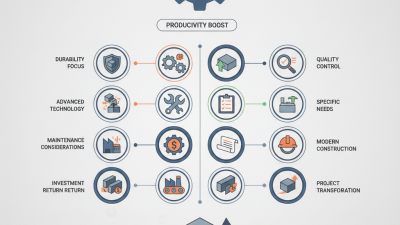
This chart illustrates the various benefits of using a manual block machine for your business, highlighting factors such as cost-effectiveness, eco-friendliness, energy efficiency, low maintenance, and high production quality.