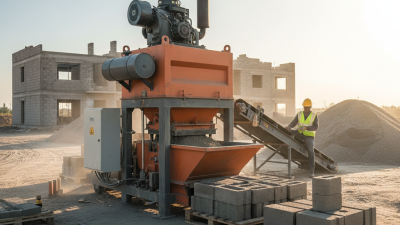
China has become a major source of concrete equipment for construction projects worldwide. Among its most important products is the Paver Block Machine, used to produce durable paving blocks for roads, driveways, plazas, and industrial yards. However, choosing a reliable manufacturer requires more than comparing catalogue prices.
This guide examines leading Paver Block Machine manufacturers in China through practical and technical criteria. These include production capacity, machine automation, mould flexibility, hydraulic performance, energy use, and after-sales support. Factory experience also matters. A supplier that builds machines daily may understand vibration control, raw material variation, and common maintenance problems better than a trading company. Small details count, such as frame thickness, electrical component quality, and access to replacement parts.
The discussion also considers certifications, export experience, customer feedback, and customization capability. These factors can reveal whether a manufacturer is prepared for demanding projects or only presents polished marketing materials. No supplier is perfect. Even respected factories may have weaknesses in communication, delivery planning, or technical documentation. Buyers should therefore request test videos, machine specifications, sample blocks, and clear warranty terms before making a decision. A careful comparison can reduce production risks and support more consistent block quality. It may also prevent an expensive mistake. Through this balanced review, readers can better understand which Chinese manufacturers offer dependable equipment, realistic service, and long-term value for different construction requirements.
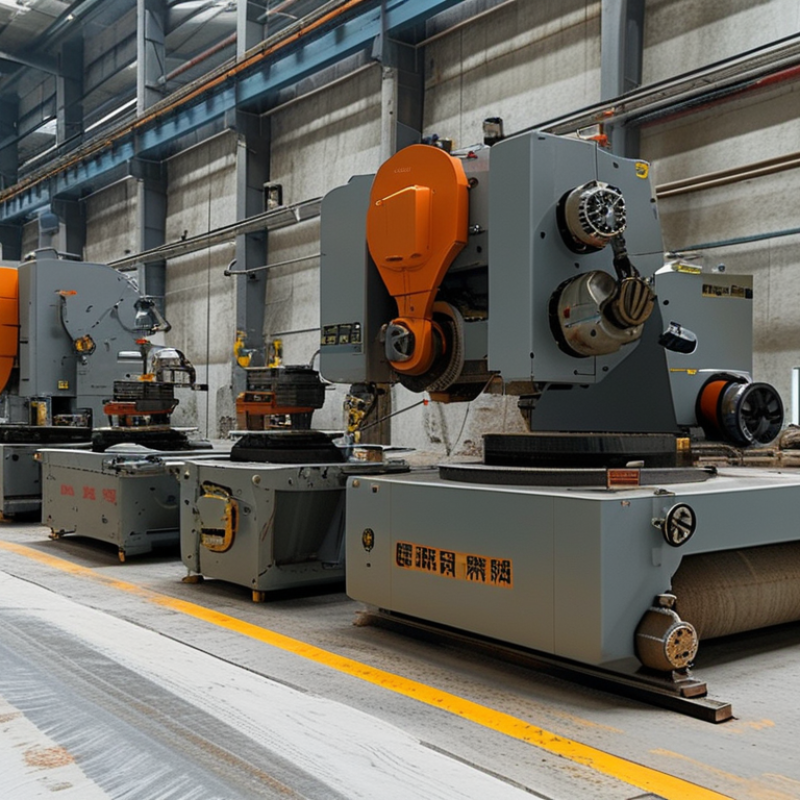
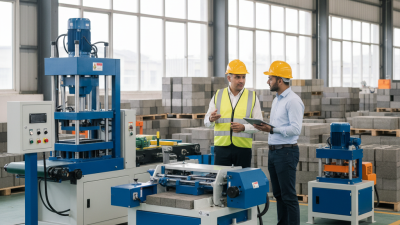
A paver block machine converts prepared concrete into dense, uniform paving blocks. It uses a mold, vibration system, and hydraulic or mechanical pressure. Unlike ordinary concrete casting, this process uses a relatively dry mixture. The material must hold its shape immediately after demolding. Not just pressure.
Production begins when cement, aggregates, water, and additives enter a controlled mixer. An operator checks moisture because small changes can affect block strength. The material then fills a steel mold above a pallet. Vibration removes trapped air and spreads the mix into corners. Hydraulic pressure compresses the material from above. Timing matters. Excessive vibration may separate the mixture, while weak vibration can leave voids.
After demolding, fresh blocks move onto pallets for controlled curing. Proper temperature and moisture support steady strength development. Technicians inspect dimensions, surface texture, and edge quality during production. They also monitor oil pressure, mold wear, and vibration frequency. These details often reveal problems before large quantities are wasted. Small changes in aggregate grading can require new machine settings. One practical weakness is operator dependence. Machines do not correct poor mix design or careless maintenance. In field inspections, uneven color and chipped corners often indicate inconsistent feeding or curing, not necessarily a machine failure.
Top Paver Block Machine Manufacturers in China
Chinese factories commonly produce four main paver block machine types. Hydraulic static-press machines apply strong vertical pressure, creating dense blocks with sharp edges. They suit commercial paving projects and controlled factory production. Vibration-compression machines combine vibration with pressure. This method works well for colored pavers, curb stones, and landscaping units. Mechanical machines cost less, but their output and thickness control can vary.
Fully automatic production lines include batching, molding, pallet transfer, curing, and stacking. They reduce manual handling and maintain stable cycle times. Semi-automatic machines need workers to move pallets or manage materials. They often fit smaller plants with limited budgets. Mobile machines are different. They form blocks directly on prepared floors, reducing pallet demand but limiting product flexibility.
The China Concrete and Cement Products Association regularly emphasizes standardization, quality control, and energy efficiency in concrete-product manufacturing. China produced about 1.86 billion tonnes of cement in 2023, according to National Bureau of Statistics data. That scale supports a mature supply chain for molds, hydraulic systems, and automation components. UNEP reports that cement contributes roughly 8% of global carbon dioxide emissions, so lower-waste production matters. In practice, machine selection should consider local aggregates, curing space, labor skills, and daily demand. A cheaper machine is not always cheaper to operate. This is where many purchasing plans need more reflection. Calibration, mold wear, and inconsistent moisture can quietly reduce block strength.
| Machine Type | Forming Principle | Typical Automation Level | Typical Output Range* | Common Product Thickness | Main Advantages | Typical Applications |
|---|---|---|---|---|---|---|
| Manual Hydraulic Paver Block Machine | Hydraulic pressure is applied manually through a lever or hand-operated hydraulic system. | Manual | Approximately 500–1,500 blocks per 8-hour shift | 40–100 mm | Low initial investment, simple operation, easy maintenance, and low space requirements. | Small construction projects, local production, repair work, and entry-level block manufacturing. |
| Semi-Automatic Hydraulic Machine | A hydraulic system compresses the mixture, while feeding, pallet handling, or stacking may require operator assistance. | Semi-automatic | Approximately 1,500–4,000 blocks per 8-hour shift | 40–120 mm | Better dimensional consistency and productivity than manual equipment, with moderate operating costs. | Small and medium-sized block plants, landscaping products, and municipal paving projects. |
| Fully Automatic Hydraulic Paver Block Machine | Programmable hydraulic pressing combines controlled material feeding, vibration, demolding, and pallet transfer. | Fully automatic | Approximately 4,000–15,000 blocks per 8-hour shift | 40–150 mm | High production efficiency, repeatable dimensions, reduced labor demand, and stable cycle control. | Large paving projects, commercial production, road construction, and export-oriented plants. |
| Vibration Press Paver Block Machine | Mechanical vibration consolidates the semi-dry concrete mixture inside a mold; pressure may be added depending on the configuration. | Manual, semi-automatic, or automatic | Approximately 1,000–8,000 blocks per 8-hour shift | 30–100 mm | Good material compaction, relatively simple construction, and suitability for varied concrete mixes. | Interlocking pavers, garden tiles, walkway blocks, and general landscaping products. |
| High-Pressure Concrete Paver Machine | High mechanical or hydraulic pressure, often combined with vibration, forms dense concrete products with accurate dimensions. | Semi-automatic or fully automatic | Approximately 3,000–12,000 blocks per 8-hour shift | 50–150 mm | High density, improved edge definition, consistent shape, and suitability for heavy-use paving products. | Parking areas, industrial yards, driveways, sidewalks, and high-traffic pavements. |
| Multi-Layer Paver Block Machine | A base concrete layer and a colored or decorative face layer are formed in a controlled two-stage process. | Semi-automatic or fully automatic | Approximately 3,000–10,000 blocks per 8-hour shift | 50–100 mm | Produces decorative surfaces, reduces the amount of pigment required, and supports premium product designs. | Colored interlocking pavers, decorative walkways, plazas, courtyards, and landscape projects. |
| Interlocking Paver Block Machine | A replaceable mold forms interlocking profiles that connect adjacent paving units without conventional mortar joints. | Manual, semi-automatic, or fully automatic | Approximately 1,500–12,000 blocks per 8-hour shift | 50–100 mm | Flexible mold options, efficient installation, good load distribution, and easy replacement of individual units. | Roads, sidewalks, parking lots, residential driveways, and permeable paving systems. |
| Paver and Kerbstone Combination Machine | Interchangeable molds and adjustable pressing parameters allow production of paving units and small concrete edge products. | Semi-automatic or fully automatic | Approximately 1,500–7,000 units per 8-hour shift | 50–200 mm, depending on the mold | Supports a broader product range and improves equipment utilization for diversified production. | Road edges, drainage channels, landscaping, pedestrian areas, and small infrastructure projects. |
*Output figures are typical planning ranges for an 8-hour shift and vary according to block size, mold cavities, material mix, curing method, operator skill, and machine configuration.
When comparing Chinese paver block machine manufacturers, begin with measurable production evidence. Request a live trial using your aggregate, cement ratio, and target block size. A polished showroom sample proves little. Check dimensional tolerance, surface density, curing consistency, and rejected blocks from a full production shift. Ask for test records, calibration dates, and hourly output under realistic conditions.
Energy use deserves equal attention.
The International Energy Agency reports that cement production creates roughly 7% of global carbon dioxide emissions. Therefore, compare electricity consumption per square metre, not motor power alone. Inspect vibration frequency control, hydraulic response, mould-change time, and dust-management design.
A lower purchase price may hide expensive downtime. I have seen specifications count ideal-cycle output, while actual output fell after frequent mould cleaning.
Supplier reliability also needs evidence. The World Bank’s 2023 Logistics Performance Index evaluates customs, infrastructure, shipment quality, and timeliness. These factors affect delivery of spare parts and complete machines. Request a written parts list, response times, remote-support procedures, and technician availability.
Verify export packaging with photos of bracing, moisture protection, and lifting points. Ask for references from plants using similar raw materials and climate conditions.
ISO 9001 certification can support process control, but it does not guarantee machine performance. Factory audits, acceptance testing, and contract-defined performance targets remain essential. Even careful buyers can overvalue certificates and undercheck operator training. That mistake is common.
Chinese paver block machine manufacturers are known for combining practical engineering with competitive production costs. Many factories offer hydraulic presses, vibration systems, automatic feeders, and curing equipment for different project sizes. Their main strength is flexibility. A buyer can often request customized molds, voltage settings, block dimensions, and production speeds.
In factory evaluations, machine frame thickness matters. A reinforced frame reduces vibration loss during repeated pressing. Servo-controlled feeding can also improve material consistency, especially when using recycled aggregates or variable sand moisture. Experienced manufacturers usually provide installation guidance, operator training, spare parts, and remote troubleshooting. These services can reduce downtime after delivery. Still, service quality differs between suppliers.
Some manufacturers support trial production before shipment. This practical step helps buyers check block density, surface finish, cycle time, and energy use. Documentation should include electrical diagrams, maintenance schedules, safety instructions, and tested output figures. Quoted capacity may reflect ideal conditions, not daily production. That detail deserves careful questioning. Buyers should inspect welding quality, hydraulic seals, control cabinets, and mold durability instead of judging machines by price alone. A low-cost model may appear attractive, yet frequent adjustments can increase labor expenses. Manufacturers with export experience often understand certification requirements and container loading procedures, but local compliance must still be verified independently.
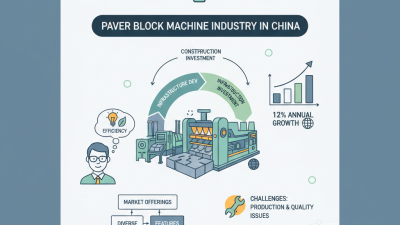
China’s paver block machine industry commonly offers manual, semi-automatic, and fully automatic production systems. The benchmark below shows typical output ranges for standard concrete pavers, highlighting the production-scale strengths associated with each machine configuration.
Fully automatic systems generally provide the highest throughput and the most consistent production process, while semi-automatic and manual systems are often preferred for lower investment, flexible production, and small- to medium-scale projects. Output varies according to block size, mold configuration, curing method, and material mix.
Buying a paver block machine from China requires more than comparing quoted prices. Request production samples, technical drawings, and a clear list of included components. Check the machine’s steel thickness, hydraulic system, mold lifespan, and power requirements. Speak with previous buyers about delivery accuracy and service response. Capacity figures can mislead. Actual output depends on material moisture, operator skill, curing space, and mold changes.
Installation deserves careful planning before the machine arrives. Prepare a level concrete foundation with enough room for material feeding and product removal. Confirm local voltage, cable size, water access, and forklift capacity. Ask the manufacturer for installation drawings and commissioning procedures. Operators should receive hands-on training for mold alignment, vibration settings, and daily lubrication. Poor leveling can create uneven blocks. Before full production, run several batches and measure dimensions, weight, and compressive performance.
After-sales service should be written into the purchase agreement. Confirm warranty duration, response times, spare-parts availability, and remote troubleshooting methods. Reliable suppliers provide manuals, wiring diagrams, maintenance schedules, and operator training records. Ask whether common parts can be sourced locally or must be imported. Remote support is useful, but it cannot fix every mechanical problem. One detail matters. Some buyers focus heavily on machine price and overlook installation costs, molds, shipping, and replacement sensors. That oversight can damage the original budget. Written commitments are safer than informal promises.