Paver Block Machine Tips for Global Buyers to Maximize Efficiency
In today's competitive construction market, efficiency is key to success. The Paver Block Machine plays a vital role in enhancing productivity. According to recent industry reports, the global demand for concrete paving blocks is projected to grow by 7.5% annually. This emphasizes the importance of investing in advanced machinery for efficient production and reduced costs.
There are numerous factors that influence the performance of a Paver Block Machine. Adjustable mold designs and automation features can significantly improve output. However, buyers must also consider maintenance and training to maximize machine potential. An average downtime of 5-10% can hamper profits, indicating that regular maintenance can yield better returns.
Furthermore, understanding local market demands is crucial. The preferences for paving blocks vary by region. A machine's capability to adapt to different specifications may provide a competitive edge. Buyers should reflect on past purchasing decisions and optimize choices based on evolving needs. Making informed investments in Paver Block Machines can lead not only to increased efficiency but also to sustainable growth in a fluctuating market.
Essential Features to Consider When Buying a Paver Block Machine
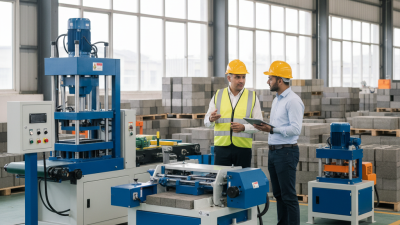
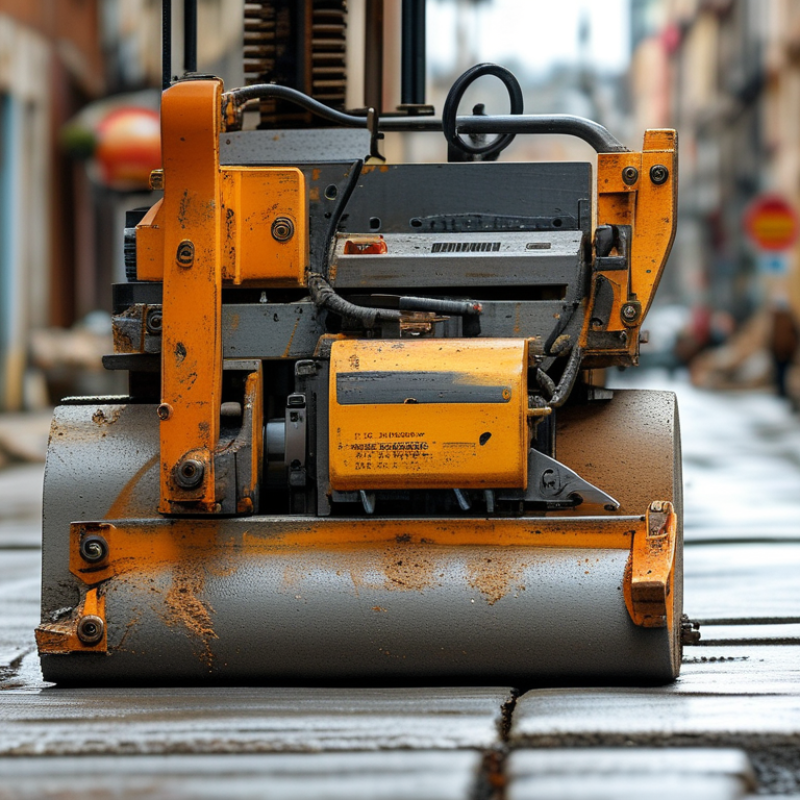
When investing in a paver block machine, it's vital to assess various essential features. Look for robust construction materials that ensure durability. Steel frames and high-quality hydraulics are often indicators of long-lasting performance. Machines with advanced vibration technology can enhance the density of paver blocks, resulting in better product quality.
Consider the production capacity of the machine. This aspect directly impacts your operational efficiency. A higher output per hour can lead to increased profitability. However, it’s crucial to balance speed with quality. Fast production might sometimes compromise the final product’s integrity. Examine user reviews and industry feedback to gauge real-world performance and reliability.
Automation features are another critical consideration. Machines with automated processes can reduce labor costs and minimize human error. But ensure that you understand any complexities involved. Sometimes, increased automation might lead to additional maintenance challenges. Reflect on your operational requirements and choose accordingly. A thoughtful approach here can significantly influence your project’s success.
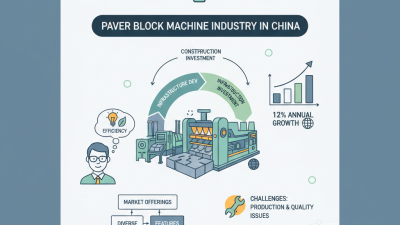
Paver Block Machine Efficiency Metrics
Understanding Different Types of Paver Block Machines Available Globally
Understanding different types of paver block machines is crucial for making informed purchasing decisions. Generally, these machines fall into two categories: manual and automatic.
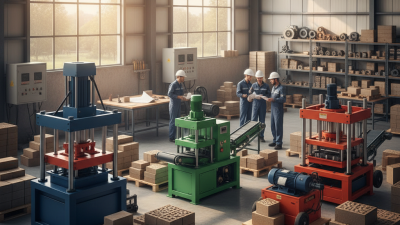
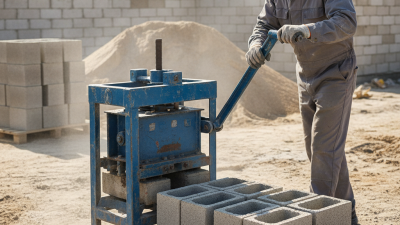
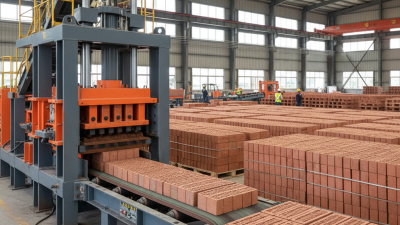
Manual machines are cost-effective, ideal for small-scale operations. They require more labor but are suitable for local markets. On the other hand, automatic machines enhance efficiency and output, designed for larger production needs. They can produce a variety of paver block shapes and sizes with minimal labor.
Tips for potential buyers include assessing production capacity before making a purchase. Consider the space availability for installation as well. It's critical to evaluate the machine's compatibility with local soil types. Different regions may require specific machine features. Regular maintenance is also vital for longevity. Buyers should be prepared for unexpected downtime, as not all machines perform flawlessly at first.
Some paver block machines may underperform due to inconsistent operator training. Investing in staff education ensures better quality output. Additionally, keep an eye on market trends. The demand for eco-friendly materials is growing. Machines that create sustainable paving options can offer competitive advantages. Reflecting on the purchasing journey can lead to improved decision-making in future investments.
Key Factors Influencing Efficiency in Paver Block Production
Efficiency in paver block production hinges on several critical factors. One primary element is the quality of raw materials. Using high-grade aggregates can significantly enhance the strength and durability of the blocks. However, sourcing premium materials often comes with challenges like availability and cost fluctuations. This variability can impact the overall efficiency of production.
Another essential factor is the choice of machinery. Investing in advanced paver block machines can streamline the production process. Yet, not all machines are suited for every production scale. Buyers must assess their specific needs and production capacities before making a purchase. Balancing cost against productivity can be tricky, thus requiring thoughtful consideration.
Lastly, workforce training plays a vital role in maximizing efficiency. Skilled operators can reduce downtime and mistakes during production. However, training programs are often overlooked, leading to gaps in employee knowledge. Addressing this issue could lead to significant improvements. Overall, understanding these factors can help buyers optimize their operations and enhance production outcomes.
Maintenance Tips to Enhance the Lifespan of Paver Block Machines
Paver block machines are critical for the construction industry, often operating under heavy workload. Regular maintenance significantly enhances their lifespan and ensures efficiency. According to a recent study by Global Industry Analysts, proper care can increase machine longevity by up to 30%. This can translate into substantial savings, reducing the need for replacements.
Routine checks of hydraulic systems and lubrication points are essential. Surprisingly, many operators neglect these areas. Even a minor hydraulic leak can lead to serious operational inefficiencies. Additionally, cleaning the machine after use protects vital components from wear and tear. Dust and debris accumulation can lead to malfunctions, costing time and resources.
Operator training is another factor that cannot be overlooked. Studies indicate that improperly trained personnel can damage equipment, leading to increased maintenance costs. Investing in proper training may seem costly but pays off in the long run. Enhancing team skills ensures machines function optimally, reducing downtime. Regular audits and performance reviews can identify gaps, offering pathways for improvement.
Best Practices for Training Operators to Utilize Paver Block Machines Effectively
Training operators effectively to utilize paver block machines is crucial for maximizing production efficiency. According to a report by the International Concrete Paving Association, proper training can improve machine output by over 25%. This boost can directly impact profitability in competitive markets.
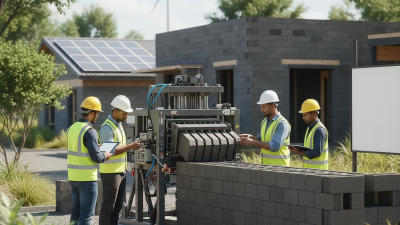
One key aspect of operator training is hands-on experience. Operators should spend ample time familiarizing themselves with the machine controls. This real-world practice enhances their confidence and ability to troubleshoot issues quickly. For example, an operator who understands the equipment can prevent most common errors, reducing downtime significantly.
Another important focus is on safety protocols. Operators must be trained to recognize hazards while operating machinery. This preventive measure is not just about compliance; effective training leads to fewer accidents, ultimately saving companies money. One study indicated that organizations with comprehensive training programs see a 40% decrease in workplace incidents.
Investing in operator training requires ongoing effort. Regular assessments and feedback sessions are essential for continuous improvement. Operators should feel encouraged to ask questions and share experiences. By fostering an environment of open communication, companies ensure that their workforce is competent and confident in handling paver block machinery.