What Is a Concrete Electric Pole Used For?
A Concrete Electric Pole is more than a vertical support. It carries overhead conductors and may hold crossarms, insulators, transformers, and streetlights above roads, fields, or factory yards. Its height and strength help maintain safe clearances while distributing electrical equipment loads into the ground. Some poles also carry communications lines, where utility rules allow. The details matter.
The American Society of Civil Engineers’ 2021 Report Card for America’s Infrastructure gave the energy sector a C− grade, underscoring the need to maintain and strengthen grid infrastructure. The U.S. Department of Energy’s 2023 National Transmission Needs Study also examines expanding transmission capacity to meet changing system needs. These reports address the wider grid, not concrete poles alone. Still, they show why dependable support structures matter. Thomas A. Short, an electric-power distribution engineer and author of the Electric Power Distribution Handbook, offers a useful design principle: “A pole must be considered as part of the complete distribution system.” This is a paraphrased summary, not a verbatim quotation. A pole’s performance depends on its foundation, loading, connections, and inspection—not just its concrete.
Concrete resists rot and many fire hazards, but it is heavy. Transport and installation can demand specialized equipment, while cracks, damaged coatings, or exposed reinforcing steel deserve attention. A smooth gray shaft may look permanent. It isn’t maintenance-free. Understanding what a Concrete Electric Pole supports—and where its limits lie—helps utilities and project teams choose suitable structures for real-world conditions.

What a Concrete Electric Pole Is and How It Is Built
A concrete electric pole is a vertical support for overhead power lines and related electrical equipment.
It carries conductors above roads, fields, and buildings, helping maintain safe clearance. Compared with timber, concrete resists rot and insects, though its weight makes transport and installation more demanding.
Many poles are made in a factory using a reusable steel mold. Workers position reinforcing steel inside it, then pour in a carefully proportioned concrete mix. Some designs use tensioned steel strands to improve strength and control cracking. Vibration helps the mix settle around the reinforcement and reduces trapped air. Then the concrete cures. Timing and moisture matter; rushing this stage can weaken the finished pole. Not every pole is built in exactly the same way.
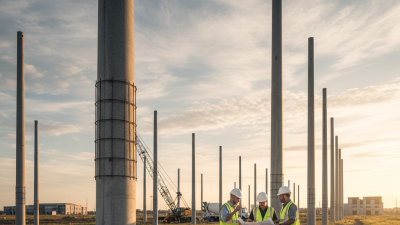
After curing, the pole is checked for dimensions, visible defects, and strength requirements. Openings or mounting points may be formed for climbing steps, cables, or hardware. At the site, crews set the pole into a prepared foundation and attach crossarms and electrical components. The finished structure must suit local soil, line loads, and exposure to wind. Concrete can still crack or suffer damage, so inspection remains important. It is sturdy, but not invulnerable.
How Concrete Poles Carry and Distribute Electrical Lines
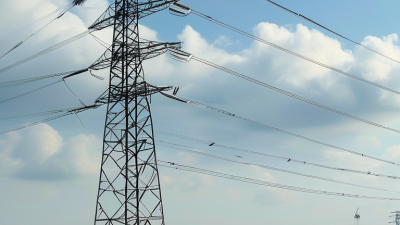
A concrete electric pole supports overhead electrical lines and helps carry power across streets, neighborhoods, and rural routes. Its height keeps conductors clear of traffic, trees, and people. Crossarms hold insulators, which separate energized wires from the pole. The pole also supports equipment such as transformers or service connections when the local network requires it. A heavy base matters.
Many poles use reinforced or prestressed concrete to resist bending from wind, wire tension, and attached equipment. Conductors transfer these forces through insulators and fittings into the pole, then down into the buried section and surrounding soil. This load path helps keep lines in position between poles. Spacing depends on terrain, line design, and expected loads. Concrete can crack or suffer damage, so it is not maintenance-free. That is easy to overlook.
Tips: Look for leaning poles, exposed reinforcement, or damaged fittings from a safe distance. Report concerns to the local utility; never touch wires or climb the structure. Clearance and condition both matter.
Where Concrete Electric Poles Are Commonly Used
Concrete electric poles commonly support overhead distribution lines along suburban streets, rural roads, and industrial sites. They carry crossarms, insulators, transformers, and service wires above traffic and buildings. The U.S. Department of Energy’s 2015 Quadrennial Energy Review estimated that the country had about 5.5 million miles of electricity distribution lines. That vast network includes many different pole types, selected for local loads and conditions. Concrete poles can suit sites where rot, termites, or frequent moisture make timber harder to maintain.
They also appear in coastal communities, where salt-laden air can accelerate corrosion in metal equipment, and in areas that need sturdy street-lighting supports. Their use is not automatic. Engineers must account for soil strength, wind, conductor weight, and the difficulty of transporting heavy poles to remote locations. Concrete resists decay, but cracked surfaces can still let moisture and salts reach reinforcing steel. A practical choice, not a maintenance-free one. Careful inspection and sound installation matter, especially after storms or ground movement.
How Pole Design Varies by Load and Environment
Concrete electric poles carry conductors, transformers, and other equipment while keeping energized lines safely above streets and properties. Their design changes with the weight and pull of the equipment they support. A pole carrying several heavy cables may need a stronger shaft or different crossarm arrangement than one supporting a lighter distribution line. Engineers also account for conductor tension, pole height, and expected wind or ice loads. Small details matter. A modest change in attachment position can alter how forces travel through the pole.
The surrounding environment shapes material and foundation choices. In coastal areas, salt exposure can affect fittings and reinforcing steel, so protective details need careful consideration. In freeze-thaw climates, water entering small cracks may worsen damage over time. Soft or saturated soil can require a deeper or wider foundation than firm ground. Engineers assess these conditions alongside wind exposure and nearby structures, rather than relying on a standard design alone. A neat drawing can still miss a drainage problem at the site. That deserves a second look. Inspection after installation also matters: checking for cracks, leaning, and damaged connections helps reveal whether the pole is handling real conditions as expected.
Key Advantages and Limitations of Concrete Poles
Concrete electric poles support overhead power lines and related equipment, such as crossarms and insulators. They keep conductors at a safe height and help maintain clearance over roads, yards, and fields. Concrete can resist rot, insects, and fire better than untreated wood. It also provides substantial strength, which can be useful where poles face heavy loads or harsh weather. Less frequent maintenance may be needed. That matters along remote roads. But durability depends on sound design, installation, and regular inspection.
Concrete poles have real limitations. They are heavy, so delivery and placement may require larger vehicles and lifting equipment. This can raise costs on narrow streets or difficult terrain. Concrete can also crack after impact or ground movement, and exposed reinforcement may corrode if moisture enters through damaged areas. Repairs are not always simple. A pole may need replacement even when the damage looks minor. Concrete production also has a notable environmental footprint, so material choice should consider the project’s lifespan and local conditions. No pole type is ideal everywhere; soil, access, wind loading, and inspection plans all matter. A careful site assessment can prevent an expensive mismatch.