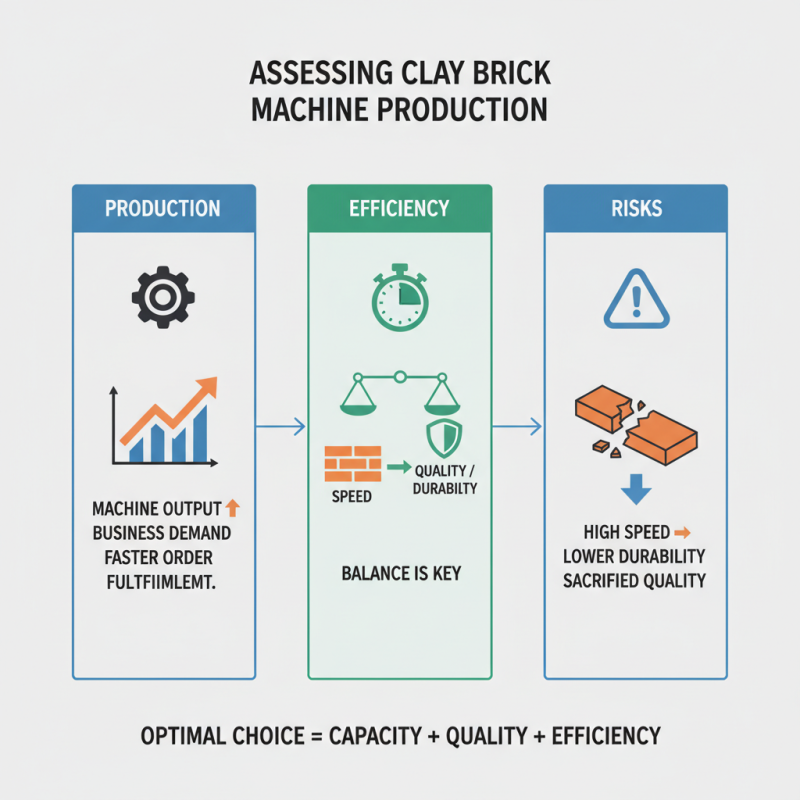
What to Look for in a Clay Bricks Machine for Purchase?
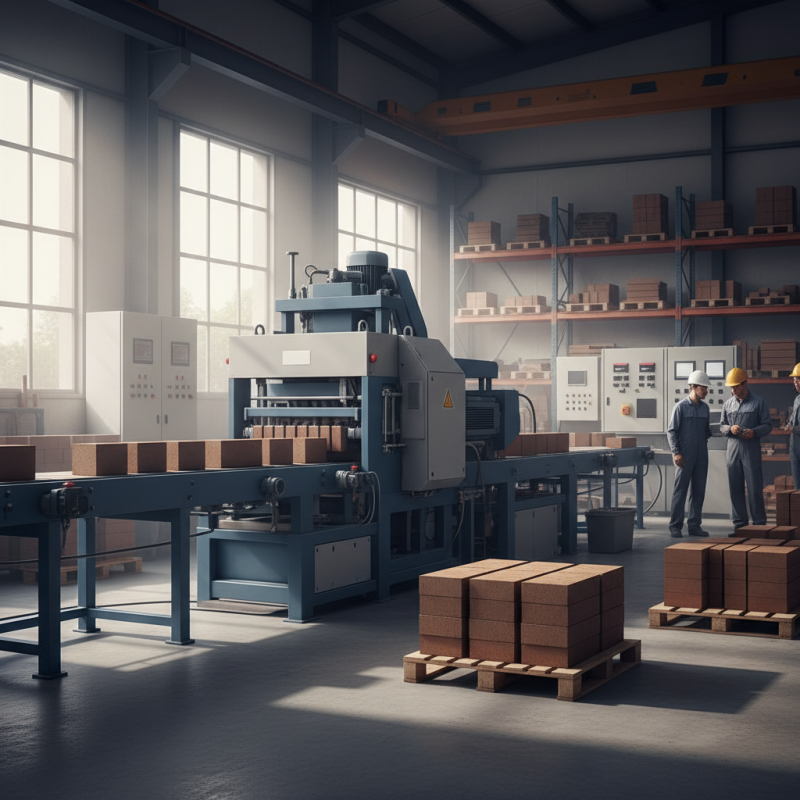
When considering a purchase of a Clay Bricks Machine, the decision can be overwhelming. There are numerous models and features available in the market today. Each machine offers unique benefits and potential drawbacks.
Look for machines that align with your production needs. Efficiency, size, and energy consumption are vital factors. Durable materials and proven technology are key indicators of reliability. Exploring user reviews can provide insights into the actual performance of these machines.
Evaluate the support offered by manufacturers. After-sales care can significantly impact your operation. Understanding the warranty terms is essential as well. Investing in a Clay Bricks Machine requires careful thought. Reflect on your requirements and seek expert advice to ensure a sound decision.
Key Features of Clay Bricks Machines to Consider
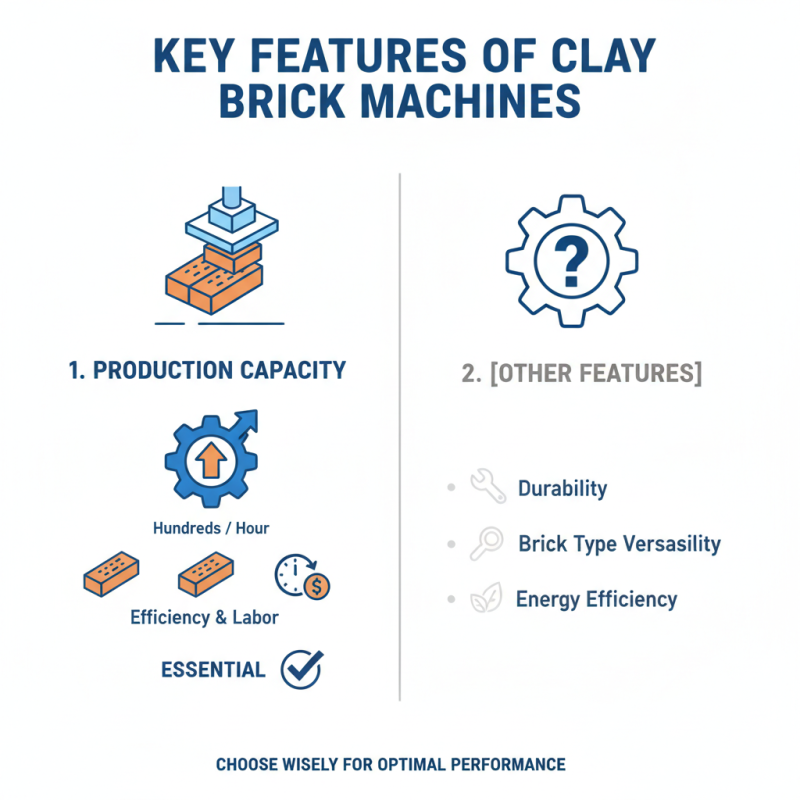
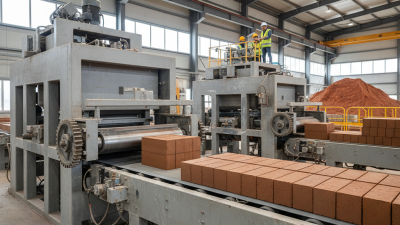
When considering a clay bricks machine for purchase, specific features stand out. A critical aspect is the machine's production capacity. Depending on your needs, you may require a machine that produces anywhere from hundreds to thousands of bricks per hour. Evaluating this feature is essential. It directly impacts efficiency and labor costs.
Another notable feature is the material used in construction. Well-built machines ensure longevity and reduce maintenance needs. Look for machines made from high-quality metal components. Check if they have robust frames to withstand continuous use. A durable machine often translates into better investment returns.
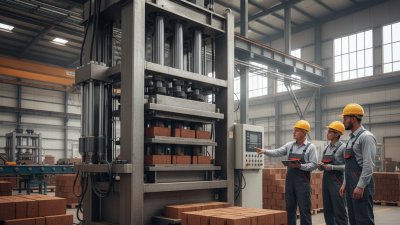
It's also important to review the machine's ease of operation. Complex machines can require extensive training for operators. Simplicity is beneficial for quicker setup and operation. User-friendly designs can minimize downtime and potential errors. Pay attention to the machine’s technical support and parts availability as well. These elements are vital for maintaining operational efficiency. Without timely support, even the best machines can falter.
Types of Clay Bricks Machines and Their Applications
When selecting a clay bricks machine, understanding the types available is essential. There are various machines tailored to specific applications, each with unique features. For instance, the semi-automatic clay brick machine is popular for smaller production units. It requires less labor while maintaining efficiency. Operators should consider the balance between automation and manual interaction.
Another option is the fully automatic clay brick machine, ideal for high-volume production. These machines offer precision and speed. They can produce a multitude of bricks per hour with minimal human input. However, they come with a higher initial investment. Potential buyers must evaluate whether the expected output justifies the cost.
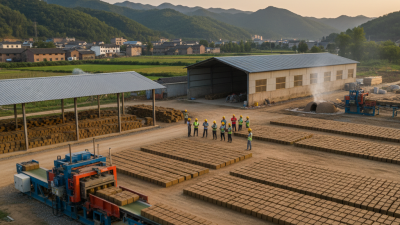
Additionally, there are eco-friendly machines that utilize waste materials for brick-making. These machines not only produce quality bricks but also promote sustainability. Owners must assess the availability of raw materials to maximize efficiency. Every type of machine has its strengths and weaknesses, making decision-making crucial. Careful consideration of these details will lead to a more informed purchase.
Evaluating Durability and Maintenance Requirements
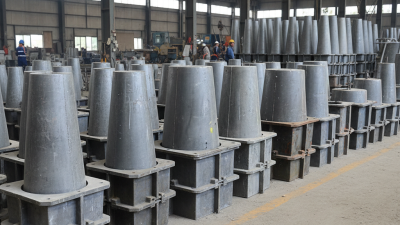
When evaluating a clay bricks machine, durability is a key factor. Machines must withstand constant use in often harsh conditions. Look for components made from high-quality materials. Steel parts should resist wear and corrosion. Weak components can lead to frequent breakdowns and costly repairs.
Maintenance requirements also play a crucial role in decision-making. Regular maintenance ensures long-term performance. Check if the machine design allows for easy access to parts. Complicated machinery can make maintenance challenging. A simple design often translates to fewer headaches down the line.
Consider the technical support available. Guidance from experts can help navigate issues as they arise. Even reliable machines may require adjustments or repairs. If a manufacturer provides strong support, it improves confidence in your purchase. Keep these aspects in mind for a well-informed decision.
What to Look for in a Clay Bricks Machine for Purchase? - Evaluating Durability and Maintenance Requirements
| Feature |
Description |
Importance |
Maintenance Frequency |
| Material Quality |
High-quality steel and components ensure longevity. |
Critical |
Annually |
| Production Capacity |
The amount of bricks produced per hour or day. |
High |
Monthly |
| Energy Efficiency |
Lower energy consumption reduces operational costs. |
Moderate |
Quarterly |
| Ease of Operation |
User-friendly controls simplify training and operation. |
High |
As needed |
| Maintenance Requirements |
Routine checks and part replacements are necessary. |
Critical |
Monthly |
| Warranty |
Coverage of defects and parts for a specified period. |
High |
N/A |
Cost Factors and Budgeting for Your Clay Bricks Machine
When purchasing a clay bricks machine, cost is a significant factor. According to recent industry reports, the initial investment can range from $15,000 to over $200,000, depending on features and capacity. Smaller machines are often cheaper but may not meet larger production needs. Understanding your production goals is essential for budgeting.
In addition to the machine cost, consider ongoing expenses. Maintenance, repair, and operating costs can add up. A 2022 study indicated that maintenance could account for 15% of annual operational costs. Efficient machines might require less frequent servicing. Energy consumption is another expense. High-efficiency machines can significantly reduce energy costs, a detail to evaluate carefully.
Investing in a clay bricks machine is not merely about upfront costs. It requires careful consideration of total cost of ownership. Some machines may have lower initial costs but higher ongoing costs. Reflect on your production process and future needs. Consulting with industry experts can help illuminate the best options for your specific situation. This thoughtful approach can save money long-term.