China Top Mud Bricks Machine How It Transforms Construction Industry?
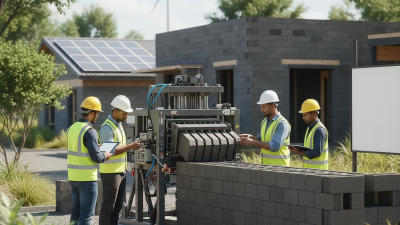
The construction industry in China is witnessing a significant transformation, primarily due to the introduction of the Mud Bricks Machine. This innovative technology simplifies the production of mud bricks, making it more efficient and cost-effective. Traditionally, mud brick production was labor-intensive, relying on artisans to shape and dry bricks by hand. However, with modern machinery, this process becomes streamlined, allowing for larger-scale production.
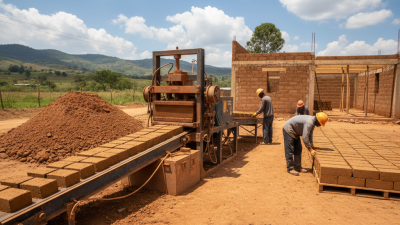
The Mud Bricks Machine operates by mixing clay, water, and additional materials, providing consistent quality with minimal human intervention. Its usage greatly reduces the environmental impact of construction by utilizing locally available resources. Yet, while it offers many advantages, there are challenges to consider. Adaptation to new technology among builders is crucial. Some may hesitate to embrace machinery over traditional methods.
Ultimately, the rise of the Mud Bricks Machine signals progress in building practices. It presents an exciting opportunity for sustainable construction. This shift paves the way for more efficient methods, yet it compels us to reflect on our reliance on technology and the craftsmanship that has been lost in the process.
China's Mud Bricks Machine: An Overview of its Development
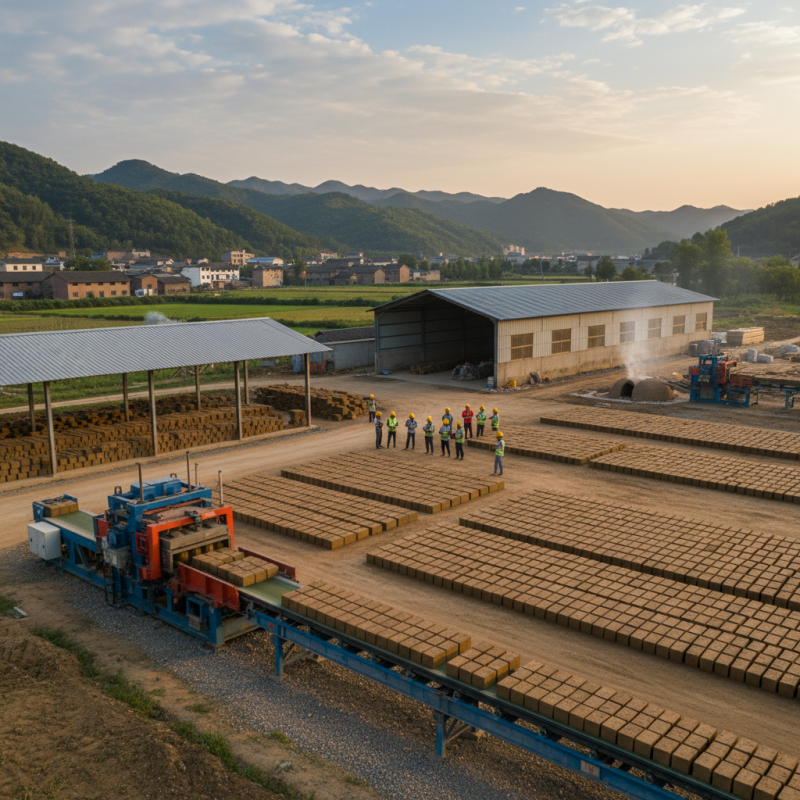
China's mud brick machine has evolved significantly over the years. Initially, these machines were simple and manual, requiring substantial labor. Technological advancements have since automated many processes. Modern machines enhance efficiency and reduce costs, making mud bricks a preferred choice for sustainable construction.
These machines compress natural clay and soil into bricks. The resulting products are environmentally friendly and energy-efficient. With increased interest in green building practices, the demand for mud bricks is rising. However, this growth raises challenges. Some users report uneven quality in the finished bricks, which can affect structural integrity.
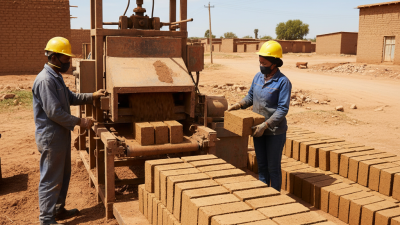
Training and knowledge-sharing among operators remain crucial. New users often struggle with machine settings and material selection. Proper guidance can mitigate these issues. As the industry embraces innovation, ongoing education will help maximize benefits from these machines, ensuring high-quality construction worldwide.
China Top Mud Bricks Machine: Impact on the Construction Industry
| Dimension |
Statistics |
| Market Growth Rate (2022-2023) |
15% |
| Total Machines Sold (2023) |
25,000 units |
| Percentage of Construction Using Mud Bricks |
30% |
| Energy Savings Compared to Traditional Methods |
40% |
| Carbon Emission Reduction |
20% |
| Average Cost of Mud Brick Production Per Unit |
$3 |
| Construction Time Savings |
25% |
Key Features of Modern Mud Brick Machines in China
Modern mud brick machines in China are revolutionizing the construction industry. These machines efficiently create sustainable building materials using simple, abundant ingredients. By utilizing local resources, they reduce transportation costs and environmental impact.
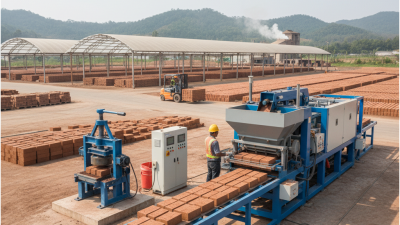
One key feature is automation. Advanced technology allows these machines to produce mud bricks at high speed. This boosts productivity and reduces labor costs. Many machines now include moisture control systems. This ensures consistent quality in bricks, which directly affects the durability of buildings.
Safety is also paramount. Modern machines are designed with user-friendly controls. Operators find it easy to manage production. However, some machines may still face challenges with maintenance. Regular checks are essential to avoid downtime in production. Overall, the innovation in mud brick machines represents a significant leap in sustainable construction practices.
Market Demand for Sustainable Building Materials in China
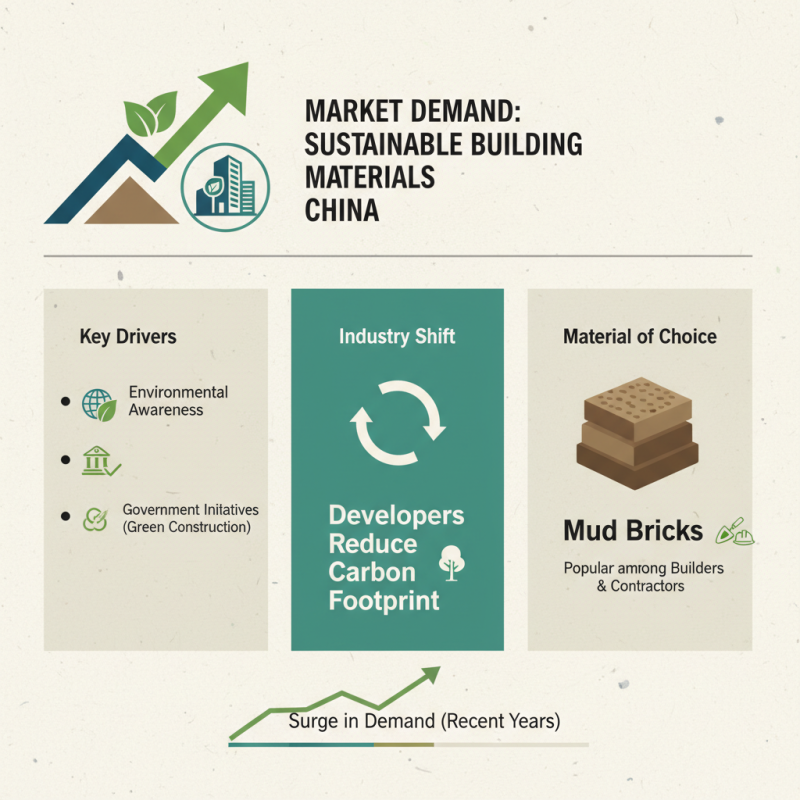
In recent years, the demand for sustainable building materials in China has surged. This shift stems from growing environmental awareness and government initiatives promoting green construction. Many developers now seek to reduce carbon footprints. Mud bricks have emerged as a popular choice, appealing to builders and contractors.
Mud bricks provide an eco-friendly option. They require minimal processing and use locally sourced materials. This can reduce transportation emissions and costs. Furthermore, mud bricks have excellent thermal properties. They help regulate indoor temperatures, reducing energy usage for heating and cooling. However, challenges remain. The production process can be labor-intensive, and quality control is vital.
Investments in technology are essential to improve efficiency. Advanced machinery for mud brick production promises to streamline operations. Yet, many small-scale producers may struggle to adopt this new technology. Educating the workforce on the benefits of modern equipment is crucial. As the market evolves, addressing these gaps can drive further adoption of sustainable materials in construction.
Impact of Mud Brick Technology on Construction Costs and Efficiency
Mud brick technology is changing the construction industry. This method is both efficient and cost-effective. Utilizing local materials reduces transportation expenses. Mud bricks are strong and durable. They offer good insulation, which lowers energy costs in buildings.
Building with mud bricks can cut expenses by up to 30%. The initial investment might be higher for some. However, the long-term savings in energy and maintenance are significant. Mud bricks require less energy for production. This eco-friendly option appeals to those focused on sustainability.
Tips: Consider local climate when using mud bricks. They perform best in dry regions. Proper design is crucial for structural integrity. Sometimes, integration with modern materials can enhance performance. Balancing tradition with innovation can yield powerful results. Reevaluate construction methods regularly to adapt.
Case Studies: Successful Implementations of Mud Brick Machines in Projects
Mud bricks are gaining traction in construction due to their eco-friendly nature and affordability. Various projects showcase the successful use of mud brick machines. For instance, a recent housing development in rural China adopted this approach. The initiative optimized local resources and reduced waste. The result was not only sustainable housing but also stronger community engagement.
Another case study involves a school construction project in an underserved area. Utilizing mud brick technology, the team produced durable and cost-effective materials on site. This method empowered local workers and boosted the economy. Team members learned valuable skills, promoting long-term sustainability. However, challenges arose during implementation. Some workers struggled to adapt to new machinery, highlighting the need for better training programs.
In a different context, a commercial building project explored the aesthetic potential of mud bricks. The architects faced initial skepticism. Yet, incorporating various designs and finishes proved effective. The final structure received praise for its unique look and functionality. Nonetheless, there is still room for improvement in material consistency and machine technology. Innovations are necessary to enhance quality across projects.
Impact of Mud Brick Machines on Construction Efficiency
This chart illustrates the impact of mud brick machines on construction efficiency. The data showcases a significant reduction in construction time from 45 days to 30 days, as well as a decrease in cost per unit from $150 to $100 after the implementation of these machines.