Top 5 Tips for Choosing a Concrete Pile Pole Making Machine?
When selecting a Concrete Pile Pole Making Machine, various factors come into play. The right machine can enhance production efficiency and improve overall quality. With so many options available, choosing the one that fits your specific needs can be overwhelming. You may find yourself second-guessing your choices.
Consider your production capacity, budget, and the type of concrete pile poles you intend to produce. Each machine offers diverse features, and knowing what matters most is crucial. A reliable machine should deliver consistent results, yet it’s important to research brands and read user reviews.
Investing is not just about immediate costs. Think about long-term maintenance needs and spare parts availability. Machines may seem great at first glance, but reliability often comes with a higher upfront investment. Take your time, evaluate your options, and ensure you make an informed decision concerning your Concrete Pile Pole Making Machine.
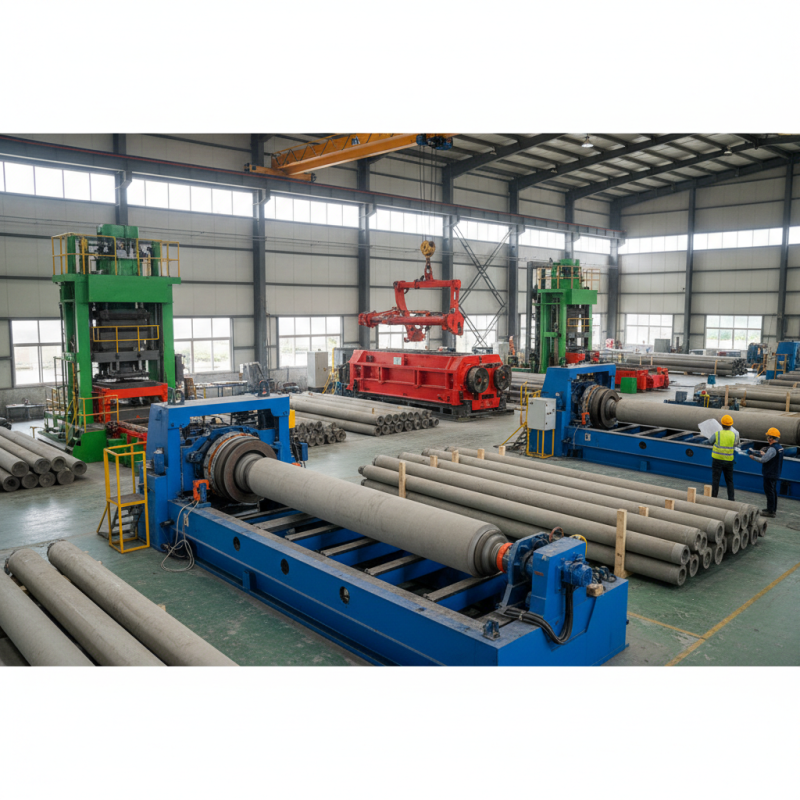
Understanding the Basics of Concrete Pile Pole Making Machines
Concrete pile pole making machines are essential in the construction industry. Understanding how these machines work can help in selecting the right one. These machines use specific processes to create durable concrete piles. They typically involve mixing cement, aggregates, and water effectively. This mixture is then poured into molds to form the desired shape. The curing process is crucial for the strength of the piles.
Knowing the key features is important. Factors like production capacity and energy efficiency matter. Each project may require different specifications. One machine may perform well in one setting but not in another. It’s essential to analyze how often you will use the machine. Routine maintenance can impact its longevity and performance. This aspect requires reflection and may affect your decision.
Training your operators is another critical consideration. Skilled operators can maximize the machine's productivity. Insufficient training can lead to errors and waste of materials. Researching different types of machines is beneficial. Users often report challenges with user interfaces, so knowing what to expect can help. The right choice will streamline operations and reduce frustrations in production.
Assessing Production Capacity and Efficiency Requirements
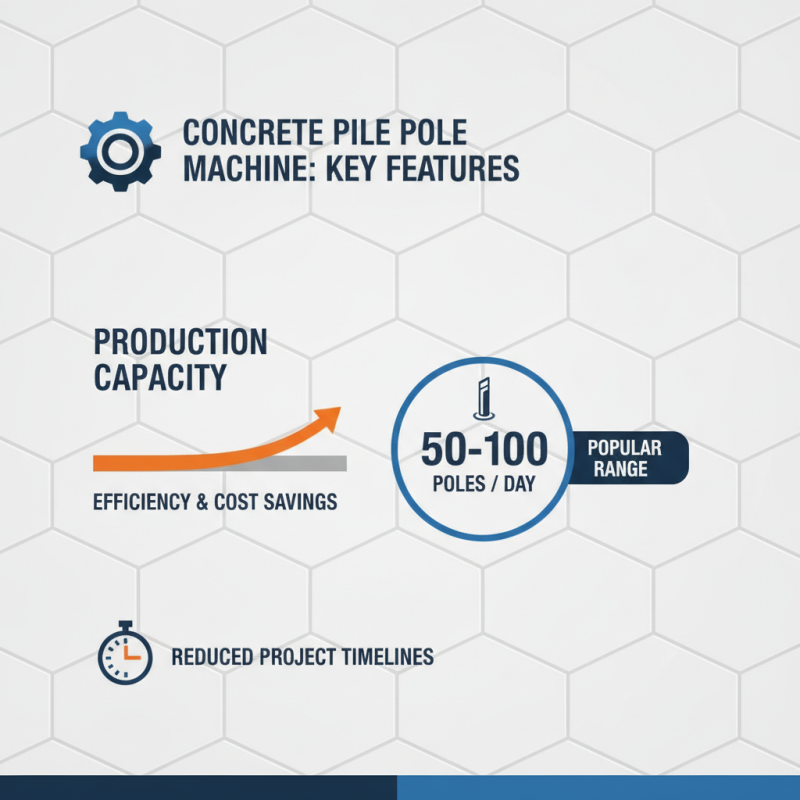
When selecting a concrete pile pole making machine, assessing its production capacity and efficiency is crucial. According to a recent industry report, a machine's output typically ranges from 10 to 50 poles per hour, heavily dependent on the design and automation level. High-volume projects necessitate devices that can function at peak efficiency. This ensures consistent quality while meeting tight deadlines.
One important tip is to evaluate the machine’s energy consumption. Efficient machines not only save on operational costs but also reduce environmental impact. Check for energy ratings and understand how they affect your long-term expenses. A machine that uses less energy often compensates for initial high costs over time.
Moreover, monitor the maintenance requirements. Machines requiring frequent upkeep can lead to production delays. The ideal choice minimizes downtime while maintaining high output levels. Ultimately, ensuring that the machine aligns with both current and future production needs is vital for long-term success in the construction industry. Regular performance assessments can help gauge if the machinery meets evolving requirements. Revisiting these factors promotes ongoing efficiency and reliability in concrete pole manufacturing.
Top 5 Tips for Choosing a Concrete Pile Pole Making Machine
| Feature |
Importance |
Recommended Value |
Notes |
| Production Capacity |
High |
100-200 piles/day |
Based on project requirements |
| Energy Efficiency |
Moderate |
Less than 50 kWh/1000 piles |
Consider long-term costs |
| Automation Level |
High |
Fully Automatic |
Reduces labor costs |
| Material Compatibility |
Essential |
Concrete types as per standards |
Check local regulations |
| Maintenance Requirements |
Moderate |
Regular check-ups |
Plan for downtime |
Evaluating Cost and Budget Constraints for Your Machinery
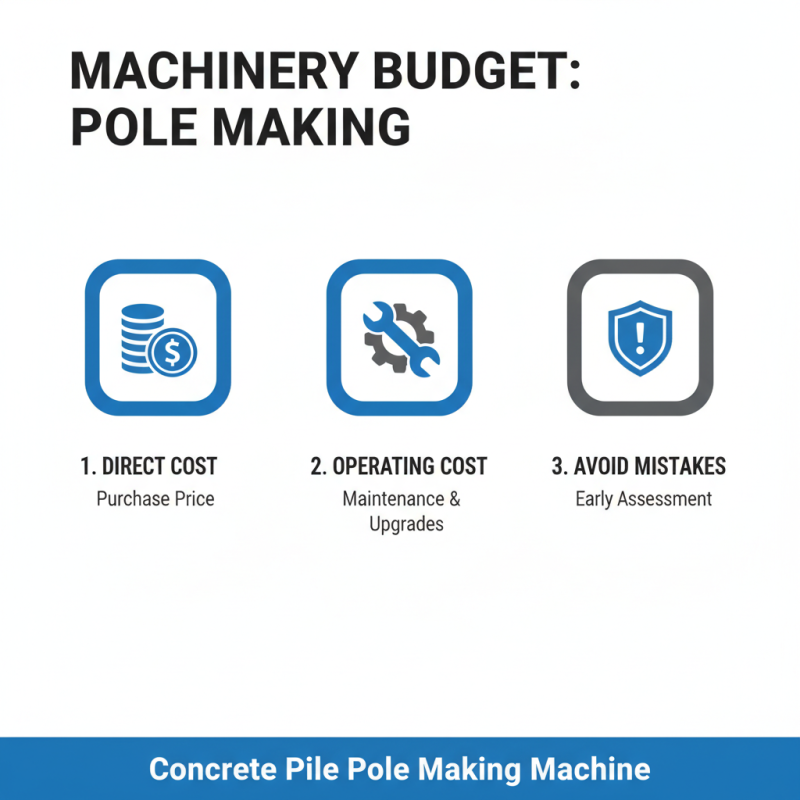
When selecting a concrete pile pole making machine, understanding your budget is essential. Machinery costs can vary widely, impacting your overall project. Assessing your budget early on can prevent costly mistakes later. Consider direct costs, maintenance expenses, and potential upgrades. It's not just about the purchase price.
One tip is to research different models within your budget range. Compare features and performance metrics. Sometimes, a less expensive machine may offer better efficiency. Evaluate life cycle costs, as this can reveal long-term value. Ensure you’re not sacrificing quality for savings.
Additionally, consider financing options. Many manufacturers provide financing plans. This can ease upfront costs while still getting the necessary equipment. Monitor your expected return on investment to ensure you're making a sound financial decision. Reflect on how often the machine will be used—it might influence your budget considerations.
Importance of Supplier Reputation and After-Sales Support
When selecting a concrete pile pole making machine, the reputation of the supplier is crucial. Reliable suppliers often bring a wealth of experience and industry knowledge. A recent market report indicated that over 70% of successful projects stem from suppliers with a strong track record. Partnering with reputable suppliers can help mitigate risks associated with machinery failures or malfunctions.
Evaluating after-sales support is equally important. Machines require maintenance and occasional repairs. A proactive after-sales team can significantly reduce downtime. According to industry studies, projects with robust after-sales support can see a 25% increase in efficiency. You should ask potential suppliers about their support services and response times. Understanding these factors helps you make informed decisions.
Tip: Always verify supplier credentials. Look for certifications and customer reviews. Another tip is to consider local suppliers. They often provide faster service and support, minimizing disruption. Remember, a solid foundation starts with a reliable partner.