How to Choose the Best Clay Bricks Machine for Your Needs?
Choosing the right Clay Bricks Machine is key to success in brick production. With numerous options available, making a decision can be overwhelming. Different machines come with varied features and specifications. Understanding your specific needs is crucial.
Consider what type of bricks you want to produce. Will you focus on standard bricks, or do you need specialty designs? Additionally, evaluate your production capacity. A high-output machine may be necessary for larger projects. However, a smaller operation might benefit from a more compact option.
Look closely at the machine’s technology. Some machines are fully automated, while others are manual. Each has its own advantages and challenges. Think about maintenance requirements too. A complex machine may require more hours of upkeep. Reflect on your budget; expensive machines are not always the best choice. Consider investing wisely to meet your production goals.
Factors to Consider When Choosing a Clay Bricks Machine
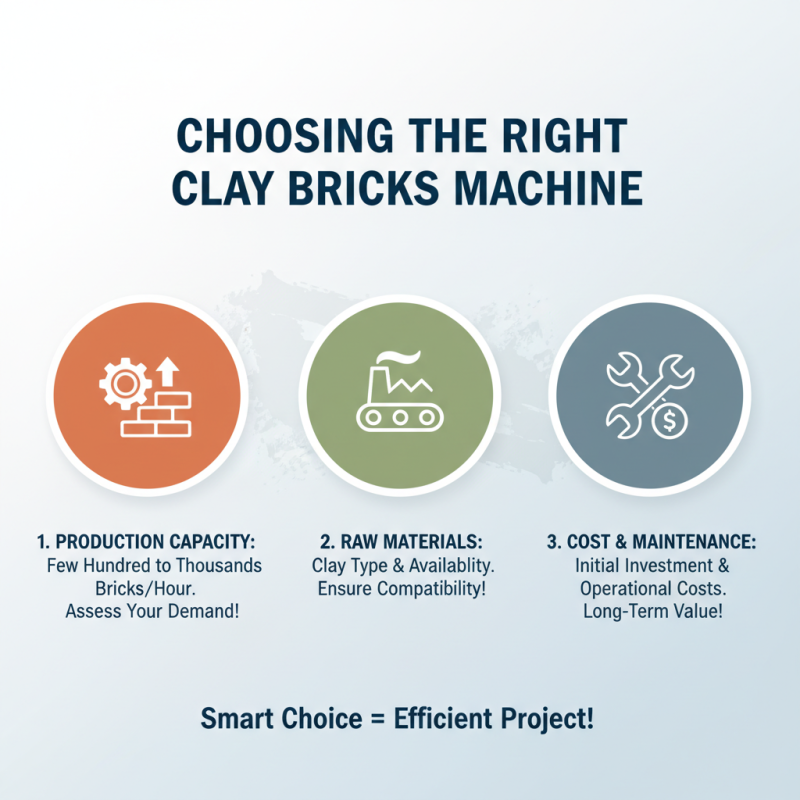
Choosing the right clay bricks machine involves careful consideration of various factors. The production capacity is crucial. Depending on your project needs, machines can produce anywhere from a few hundred to thousands of bricks per hour. Assess your demand before making a decision.
Another important factor is the machine’s construction quality. Look for durable materials that can withstand heavy use. Be mindful of the maintenance requirements as well. Sometimes, the most robust machines can be complicated to maintain. This could lead to delays and unexpected costs.
Additionally, consider the machine’s technological features. Some machines come with advanced automation, while others require manual operation. Automation can save time but may increase the initial investment. Reflect on your team's skill level and the time you can allocate for operation and maintenance. There’s no one-size-fits-all solution, so evaluate your specific needs carefully.
Types of Clay Bricks Machines and Their Applications
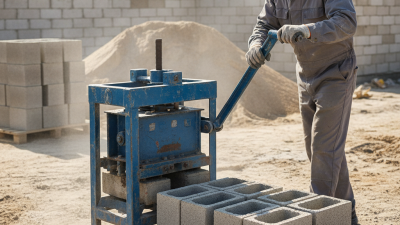
When selecting a clay bricks machine, it's important to consider the different types available.
There are manual machines that require significant labor.
These are often affordable and suitable for small-scale production.
They can produce bricks in various shapes but may lack efficiency.
Automatic machines, in contrast, offer higher output rates.
They are often faster and more efficient.
These machines can handle larger projects with ease.
However, they require a significant investment.
It's worth pondering if the increased production justifies the cost.
Another option is semi-automatic machines.
They blend manual and automatic operations.
This can be a great middle ground for many businesses.
Still, understanding their limitations is key.
Every machine requires maintenance, and user errors occur all too often.
Ensure you consider the credibility of available suppliers.
Each type of machine has its pros and cons.
Finding the right fit for your needs may take some trial and error.
Evaluating Production Capacity and Efficiency Requirements
When evaluating production capacity for a clay bricks machine, focus on your specific needs. Consider how many bricks you require daily or weekly. It's crucial to analyze your market demand. A machine with high output may seem ideal, but it could lead to overproduction. Balancing supply with actual demand is essential.
Efficiency is another vital factor. Look into the machine's power consumption and operational speed. A machine that operates efficiently can save costs in the long run. However, some machines may promise high efficiency yet fall short in performance. Researching user reviews can reveal these inconsistencies.
Think about the type of bricks you plan to produce. Different applications may require distinct production processes. Production speed might vary based on your raw materials and the drying process. It's not uncommon for businesses to face unexpected challenges in their production flow. Take these potential hurdles into account when assessing your options. Selecting the right clay bricks machine impacts your overall production success.
Assessing Budget and Cost-Effectiveness of Clay Bricks Machines
When assessing the budget for a clay bricks machine, consider initial costs carefully. It’s essential to gather quotes from multiple suppliers. This helps create a clearer picture of pricing and what fits your budget. A lower initial price may seem appealing, but additional costs can emerge later. Maintenance and operating expenses are crucial to consider as well.
Cost-effectiveness is about long-term investment. A machine that operates efficiently can save money down the line. Look for features that enhance productivity without sacrificing quality. Energy consumption is another factor. Machines with higher energy efficiency may have a higher upfront cost but will save significantly over time.
Reflect on your production needs. If you require large volumes, a more robust machine is necessary. However, if your output is modest, a smaller model may suffice. It's important to balance needs with budget constraints. Consider not just the price tag, but overall value. Do not rush into a purchase. Take time to evaluate.
How to Choose the Best Clay Bricks Machine for Your Needs? - Assessing Budget and Cost-Effectiveness of Clay Bricks Machines
| Machine Type |
Production Capacity (Bricks/Hour) |
Power Requirement (kW) |
Approx. Cost (USD) |
Maintenance Frequency (Monthly) |
Cost-Effectiveness Rating (1-5) |
| Semi-Automatic Clay Brick Machine |
800 |
15 |
5,000 |
2 |
4 |
| Fully Automatic Clay Brick Machine |
2000 |
30 |
15,000 |
1 |
5 |
| Manual Clay Brick Press |
300 |
2 |
1,200 |
4 |
3 |
| Hybrid Clay Bricks Machine |
1500 |
20 |
10,000 |
1.5 |
4 |
| Eco-friendly Clay Brick Machine |
1000 |
18 |
8,000 |
2 |
5 |
Maintenance and Support Options for Long-Term Use of Machines
When investing in a clay brick machine, maintenance is crucial for long-term performance. Regular checks can prevent unexpected breakdowns. For instance, inspecting the hydraulic system is vital. Leaks can lead to costly repairs. Ensure the machine's electrical components work properly. Small issues can cause major delays in production. Over time, neglecting maintenance can reduce the lifespan of your equipment.
Support options are essential for smooth operations. Training your staff is an investment. Well-informed operators make fewer mistakes. It’s important to know your machine inside and out. Having a reliable support team readily available is a plus. They can provide quick solutions to common problems. Technical support can sometimes feel lacking. A long wait for help can halt your production line. User manuals should be clear and accessible.
Checking for warranty options can also relieve stress. A solid warranty means peace of mind during operation. Consider the cost of spare parts, as these can add up over time. It's easy to overlook this when purchasing. Focusing too much on initial costs may lead to regrets later. Keep these factors in mind for a successful investment.