Why Choose Electric Pole Making Machine for Your Manufacturing Needs?
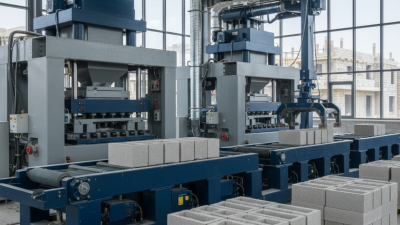
Choosing the right equipment for manufacturing is crucial. An Electric Pole Making Machine stands out for several reasons. It offers efficiency and precision, essential for high-quality production. Manufacturers face challenges daily, from material quality to machine performance.
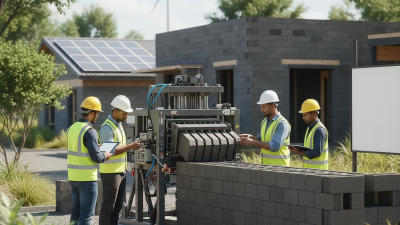
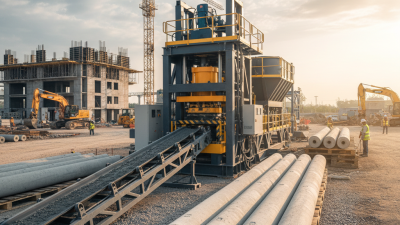
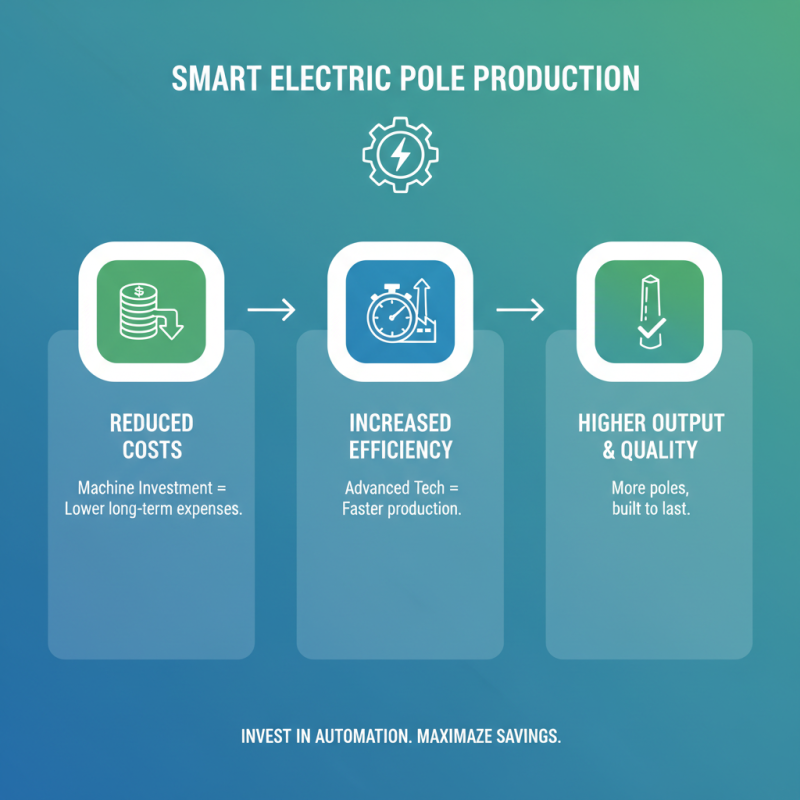
The Electric Pole Making Machine streamlines the manufacturing process. With advanced technology, it reduces labor costs and increases output. Many companies report shorter production times and fewer errors when using this machine. However, it requires a skilled workforce for optimal performance. A balance of skill and technology matters greatly.
Investing in an Electric Pole Making Machine reflects a commitment to quality. Yet, potential buyers must assess their specific needs. This involves evaluating production goals and machine capabilities. Reflection on these factors helps ensure that the investment is beneficial in the long run. Without careful consideration, even the best machines may not deliver the expected results.
Benefits of Using Electric Pole Making Machines in Manufacturing Processes
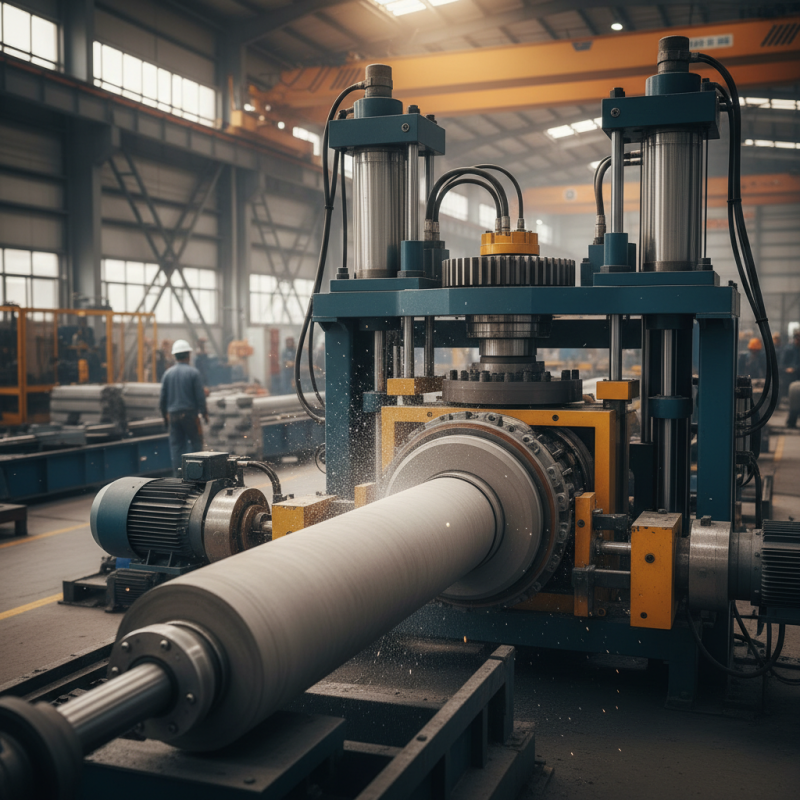
Electric pole making machines are transforming manufacturing processes worldwide. A recent report by MarketsandMarkets suggests that the electric pole market is projected to grow by 5.1% annually. This growth reflects the increasing demand for power distribution and infrastructure development. Using specialized machines optimizes production time and improves quality.
These machines provide specific advantages. They enhance operational efficiency by reducing labor costs and minimizing human error. Automation allows for consistent quality and faster output, crucial in meeting market demands. A study found that companies using electric pole makers see productivity increases of up to 30%. However, transitioning to automated systems can be daunting for some manufacturers. Training staff and integrating new technology poses challenges that can slow down progress.
The precision offered by electric pole making machines leads to higher product standards. Consistency in dimensions and materials enhances durability. Yet, not every facility will benefit immediately. Some may face initial hurdles, requiring a detailed analysis of their existing processes. Addressing these challenges is vital for long-term success. Therefore, investing in electric pole making machines should be a carefully considered decision.
Key Specifications and Features of Electric Pole Making Equipment
Electric pole making equipment has gained popularity due to its efficiency and precision. Recent reports indicate that the global market for electric pole production is expected to reach $2.5 billion by 2027, showing a significant growth rate. These machines automate the production process, reducing labor costs and improving output.
Key specifications of electric pole making machines often include advanced control systems. These systems enhance accuracy and enable operators to monitor production in real-time. Many models feature adjustable production speeds, allowing for greater flexibility. A typical machine can produce poles between 6 to 15 meters in length, catering to various industry needs.
The integration of eco-friendly technologies is becoming a necessity. Machines now often incorporate energy-efficient motors and recycling systems for unused materials. However, not all manufacturers implement these features effectively. This creates a gap in market offerings. It's crucial for buyers to assess these specifications thoroughly to avoid investing in underperforming equipment.
Why Choose Electric Pole Making Machine for Your Manufacturing Needs?
| Specification |
Details |
| Power Consumption |
15-30 kW |
| Production Capacity |
100-200 poles per day |
| Machine Weight |
2,500 - 4,500 kg |
| Automation Level |
Fully Automated |
| Materials Used |
Steel, Concrete |
| Dimensions |
Length: 6-12 m; Diameter: 0.2-0.5 m |
| Control System |
PLC with Touch Screen Interface |
| Maintenance |
Low Maintenance Required |
Cost-Effectiveness: Investment Return on Electric Pole Production Machines
When considering electric pole production, cost-effectiveness stands out. Investing in an electric pole making machine can significantly reduce production costs. With advanced technology, these machines increase efficiency and output. Manufacturers can produce high-quality poles in less time. This efficiency translates into substantial savings over time.
Consider the initial investment. While it may seem steep, the return on investment is worth analyzing. Reduced labor costs are an advantage. These machines minimize the need for a large workforce. Additionally, operational expenses, such as energy usage, can be lower than expected. Over years, such savings accumulate. However, the performance and durability of the machines must be assessed.
Yet, not every manufacturer sees immediate benefits. Initial learning curves can affect production speed. Maintenance needs require attention. If overlooked, costs can escalate. This reality prompts reflection on balancing quality and efficiency. Employing staff who understand machinery helps mitigate risks. It's vital to continuously evaluate production processes to ensure optimal operation.
Industry Trends and Innovations in Electric Pole Manufacturing Technology
Electric pole manufacturing is evolving rapidly. Recent reports show that the market for electric utility poles is expected to grow to $20 billion by 2025. This growth is driven by an increase in renewable energy projects. Efficient pole-making technology is crucial to meet this demand and reduce production costs.
Innovations in electric pole manufacturing include automated processes and advanced materials. Composite and hybrid poles are gaining traction. They offer better durability and lower maintenance costs. A study revealed that using composite materials can reduce weight by up to 30%. This makes handling easier during installation and transportation, but not all manufacturers have adapted to these changes.
Embracing new technologies is essential, yet many manufacturers remain hesitant. Some express concerns about the initial investment in new machinery. Others struggle with adapting to automation. This resistance can hinder growth and innovation in the industry. The competitive landscape demands that manufacturers stay informed about evolving technologies. Continuous improvement and adaptation are necessary to thrive.
Environmental Impact of Electric Pole Making Machines Compared to Traditional Methods
Electric pole making machines present a striking advantage in reducing environmental impact compared to traditional methods. Traditional pole manufacturing often uses cement and steel, both of which require significant energy inputs. According to industry reports, cement production alone accounts for nearly 8% of global CO2 emissions. In contrast, electric pole making machines can utilize sustainable materials like recycled plastics or composite materials. This shift can potentially cut down energy consumption by 30% or more.
Moreover, the noise and waste produced during traditional methods are significant. These machines streamline production and reduce waste by up to 50%, according to recent studies. They also require less space and have a smaller carbon footprint. However, not all machines in the market are optimized for sustainability. Some may still use outdated technology that undercuts these benefits.
It's crucial to invest in state-of-the-art electric pole making machines for maximum environmental efficiency. Failing to do so can hinder progress towards greener manufacturing. Enhanced designs that support renewable energy sources are emerging. Stakeholders should focus on these innovations, striving for a manufacturing ecosystem that protects our planet. The path forward must prioritize sustainable choices, but this requires monitoring and evaluation.
Environmental Impact of Electric Pole Making Machines Compared to Traditional Methods