How to Choose the Best Brick Making Machine for Your Needs?
Choosing the right Brick Making Machine can significantly impact your production efficiency and product quality. According to a report by the Brick Industry Association, the global brick market is expected to grow at a CAGR of 3.6% between 2021 and 2026. This statistic underscores the increasing demand for quality brick products. However, selecting the best machine isn't always straightforward.
Industry expert Dr. John Smith emphasizes the importance of understanding your specific needs. He states, "Investing in the right Brick Making Machine is crucial for long-term success." Different machines offer varying capabilities, from manual to fully automatic options. Each type has its trade-offs. Do you need high production or lower costs? The decision is more complex than it seems.
Quality matters, but so does the budget. It's easy to be swayed by low prices. Yet, cheaper machines often lack longevity and durability. In the end, reflect on your unique requirements and market demands before making a choice. Evaluating both cost and quality will lead to a more informed decision.
Understanding Different Types of Brick Making Machines Available in the Market
When exploring different types of brick making machines, it's vital to understand the options available. Brick machines fall mainly into two categories:
manual and
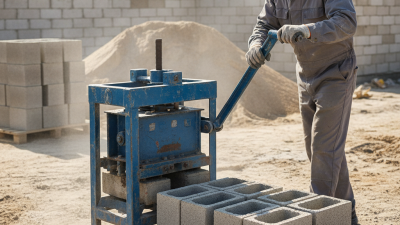
automatic. Manual machines are often more affordable and suitable for small-scale operations.
However, they require more labor and can produce fewer bricks per hour.
On the other hand, automatic machines increase efficiency significantly. Reports indicate that fully automatic machines can produce
10,000 to 15,000 bricks daily, making them ideal for larger projects.
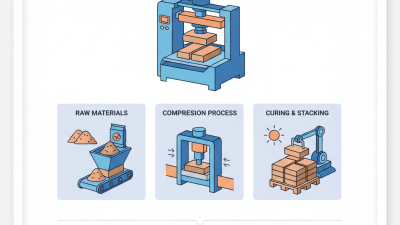
Different technologies also exist within these categories. For instance, hydraulic and extruder machines serve
distinct purposes. Hydraulic machines use pressure to form bricks, resulting in higher density. Extruder machines, however, push clay through a mold, creating long
strips that are cut into bricks later.
According to industry studies, the choice between these technologies can impact the final product's durability and strength, so it's essential to evaluate your project
needs closely.
The decision also hinges on the production capacity required. Many manufacturers provide data showing production rates. A machine’s energy consumption is critical too.
Innovations in eco-friendly machines are emerging. These can lower both carbon footprints and operational costs. Choosing the right
type of brick making machine requires careful consideration of these factors, as they can vary in capability and output.
Analyzing Production Capacity: Matching Machine Output with Your Needs
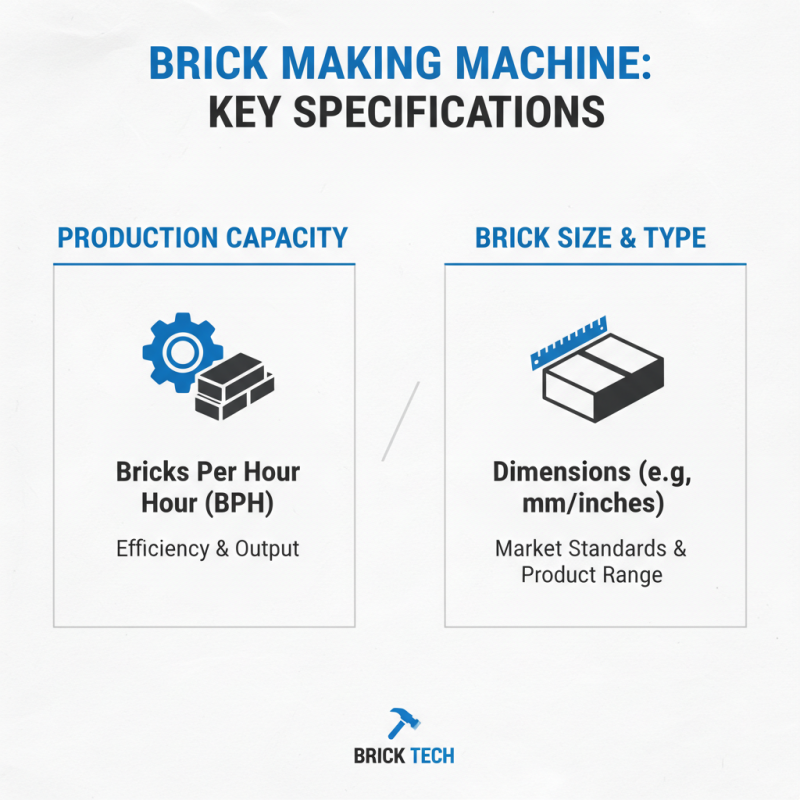
When choosing a brick making machine, understanding production capacity is crucial. You need to align the machine's output with your specific requirements. Production capacity is typically measured in bricks per hour. If your demand fluctuates, consider a machine that offers flexibility in output. This way, you can adjust according to your workload. However, overestimating your needs can lead to underutilization. You may find yourself with excess output that doesn’t meet your market demand.
Next, contemplate the long-term implications of your decision. A machine that produces too few bricks may hinder your project timelines. Conversely, a high-capacity machine could be costly and inefficient if not fully utilized. Review your project scope carefully to determine the real demand. If you are new to brick making, seeking expert advice might help you fine-tune your choices.
Assessing past performance and future plans will help you make a balanced decision. The right balance ensures you don’t get stuck with the wrong machine.
Evaluating Machine Durability and Maintenance Requirements for Longevity
When selecting a brick making machine, evaluating durability and maintenance is crucial. A study by the Concrete Block and Brick Manufacturing Association highlights that nearly 40% of failures in machinery stem from inadequate maintenance. Regular inspections can significantly extend a machine's lifespan. It’s essential to consider the materials used in construction. Steel frames often present stronger resistance to wear compared to lighter materials.
Maintenance needs vary widely. Some machines require daily checks, while others may need monthly go-throughs. Choosing a machine with straightforward maintenance processes can save time and costs. Data from industry reports indicate that machines with modular parts are easier to service. This can reduce downtime and enhance productivity. When evaluating options, consider how often components need replacement. Machines designed for heavy usage tend to have more robust parts.
Addressing user feedback can provide insight into common issues. Many users report challenges with machines that demand frequent calibration. This can disrupt operations and increase costs. An informed decision involves not just understanding machine specs, but also evaluating real-world performance. Prioritize machines that have documented performance statistics and user reviews. Balancing initial costs with long-term maintenance is key for sustained success in brick making operations.
Durability and Maintenance Requirements of Brick Making Machines
Comparing Costs: Initial Investment and Long-term Operational Expenses
When selecting a brick making machine, costs are a crucial factor. The initial investment can vary widely based on the machine's capacity and technology. A lower price might be tempting, but beware of hidden costs. Machines that seem affordable often have higher maintenance needs or require more manual labor.
Long-term operational expenses are equally important. Consider energy consumption and labor costs. Some machines may cost less upfront but use more electricity or require specialized operators, which can add up over time. Think about the materials you will use too. High-quality raw materials might cost more but can save money on defects and rework.
Tips: Always plan for unexpected repairs. Regular maintenance can prevent larger costs down the line. Keep track of operational data to understand your machine’s efficiency. Investing time in research pays off and leads to smarter choices. In this process, reflect on your production needs and market demand. Sometimes, a mid-range machine can serve better than a lower-cost option, providing balance and reliability.
How to Choose the Best Brick Making Machine for Your Needs? - Comparing Costs: Initial Investment and Long-term Operational Expenses
| Parameters |
Option A |
Option B |
Option C |
| Initial Investment ($) |
15,000 |
25,000 |
35,000 |
| Production Capacity (Bricks/Hour) |
1000 |
2000 |
3000 |
| Energy Consumption (kWh/Brick) |
0.2 |
0.15 |
0.1 |
| Maintenance Costs per Year ($) |
1,000 |
800 |
600 |
| Expected Lifespan (Years) |
5 |
7 |
10 |