Top 10 Best Hollow Block Machines for Efficient Construction?
In modern construction, efficiency is paramount. A Hollow Block Machine plays a vital role in making this possible. These machines streamline the production of hollow blocks, which are essential for sustainable building practices. Hollow blocks are lightweight and provide excellent insulation. They are also eco-friendly due to reduced material usage.
Choosing the right Hollow Block Machine can significantly enhance productivity. However, not every machine meets the specific needs of a project. Some machines may lack durability or efficiency. It’s crucial to understand the various options available. This understanding helps avoid costly mistakes later. Construction companies must evaluate their requirements carefully, as investing in the wrong equipment can slow down progress.
Many manufacturers offer a range of machines, but quality varies. Features like automation, power consumption, and block size matter. Some machines produce fewer blocks than advertised, leading to frustration. It’s essential to research thoroughly. By analyzing user feedback and performance reviews, builders can make informed decisions. This careful consideration ensures that the chosen Hollow Block Machine meets the demands of any construction project effectively.
Top Features to Consider in Hollow Block Machines for Construction
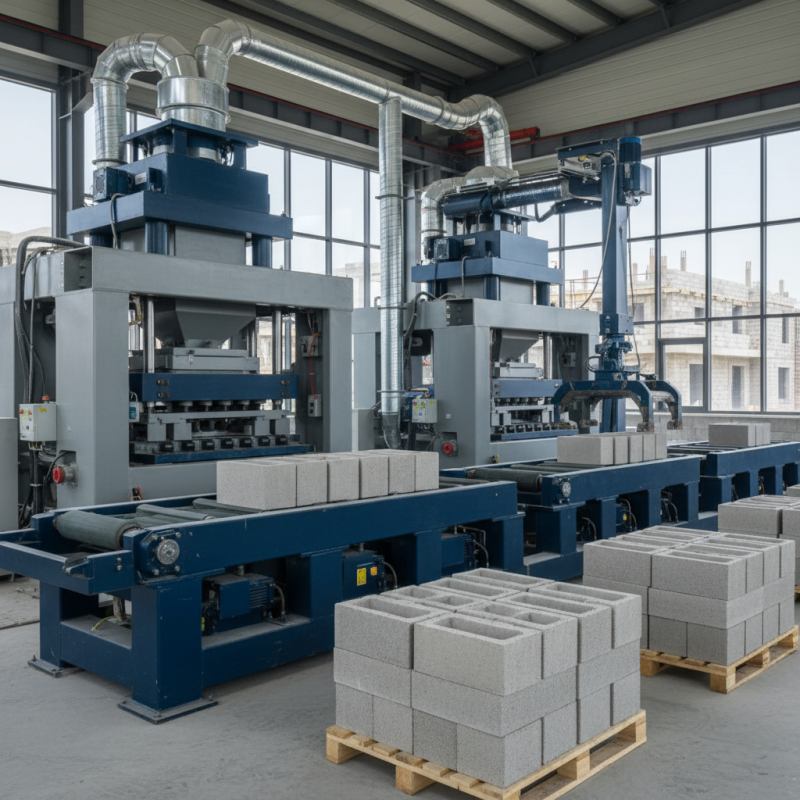
When selecting a hollow block machine, several features are vital for ensuring efficiency in construction. One key factor is the machine’s production capacity. A higher output means you can meet project demands quickly. It’s also essential to consider the type of blocks the machine can produce. Versatility in block sizes enhances your market potential, allowing for various construction applications.
Another important feature is ease of operation. A user-friendly interface can significantly reduce training time. Machines equipped with automatic functions save labor costs and enhance productivity. Furthermore, durability matters. Investing in a robust machine is crucial, as it withstands the rigors of continuous use. Some machines may promise a lot but fail under pressure, leading to costly downtimes.
Maintenance is another aspect requiring attention. Some machines require frequent servicing, which can disrupt workflows. Seeking machines with low maintenance needs options will prove beneficial in the long run. Additionally, power consumption should not be overlooked. An energy-efficient machine reduces operational costs. Taking the time to evaluate these features is crucial for making an informed decision in your construction projects.
The Role of Hollow Block Machines in Sustainable Building Practices
Hollow block machines play a critical role in sustainable building practices. These machines produce hollow concrete blocks, which are lighter and require less material than traditional bricks. This reduction in material waste is vital for eco-friendly construction. Additionally, hollow blocks have excellent thermal insulation properties. They help maintain indoor temperatures, reducing the need for heating and cooling.
Using these machines supports efficient construction. They create blocks quickly, allowing for a faster building process. Yet, challenges remain. Not all machines produce the same quality blocks. Some may have inconsistencies in size or strength. This can lead to structural issues down the line.
Furthermore, while the machines offer many benefits, their energy consumption is a concern. It's crucial to balance efficiency and environmental impact. Selecting the right technology can help minimize these issues. Builders must continually seek improvements and be open to innovation in this area.
Top 10 Best Hollow Block Machines for Efficient Construction
| Machine Model |
Production Capacity (blocks/hour) |
Power Requirement (kW) |
Weight (kg) |
Material Used |
| Model A |
800 |
15 |
1200 |
Steel |
| Model B |
1000 |
18 |
1350 |
Aluminum |
| Model C |
1200 |
20 |
1500 |
Reinforced Concrete |
| Model D |
900 |
16 |
1400 |
Polymer |
| Model E |
1100 |
17 |
1300 |
Composite |
Comparative Analysis of Manual vs. Automatic Hollow Block Machines
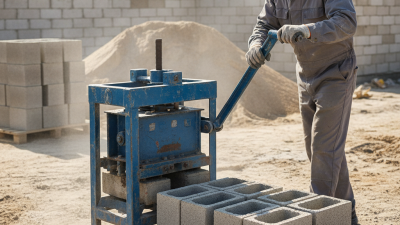
When comparing manual and automatic hollow block machines, several factors come into play. Manual machines are often more affordable upfront. They require less maintenance and can be operated in remote areas without electricity. However, they demand significant physical labor. Workers need to mix, fill, and remove the blocks at a slower pace. Efficiency can suffer, especially with larger projects.
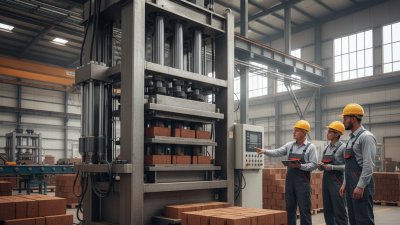
Automatic machines streamline production and reduce labor costs. They produce blocks rapidly, allowing for higher output in less time. These machines require a substantial initial investment. Additionally, they may require regular maintenance and specialized knowledge for operation. Automation enhances precision, ensuring uniformity in block size. However, if problems arise, repairs may lead to downtime.
Tip: For small construction projects, consider using manual machines. They can be more practical with limited budgets. For larger operations, automatic machines provide long-term benefits despite higher costs. Always assess your project needs carefully. Evaluate the costs versus efficiency gains. The right choice can significantly impact overall productivity.
Industry Standards and Certifications for Hollow Block Machinery
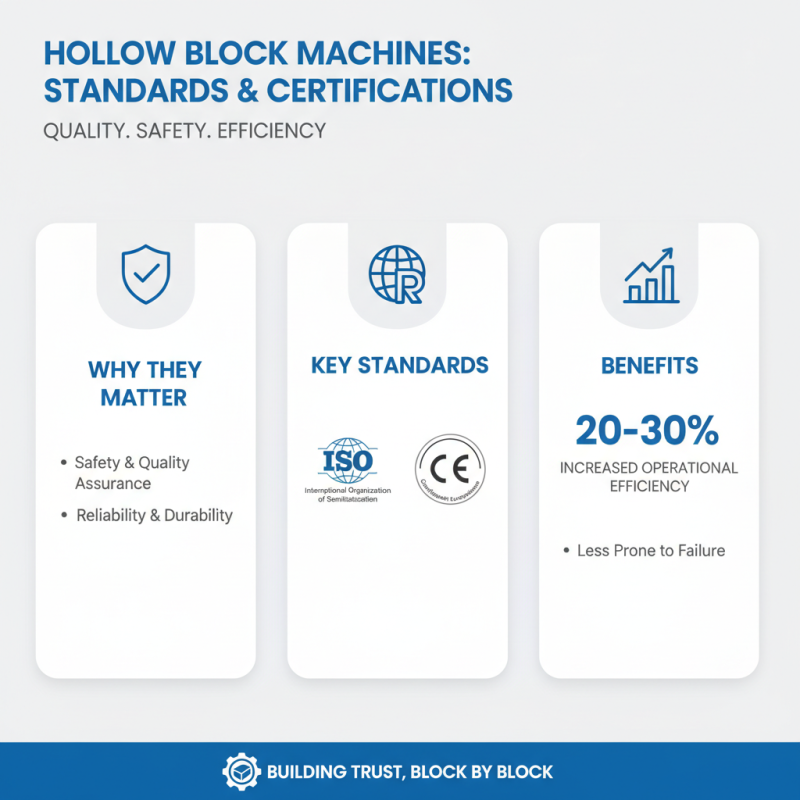
When investing in hollow block machines, understanding industry standards and certifications is crucial. These specifications ensure machinery meets safety, quality, and efficiency requirements. Organizations like ISO and CE provide regulations that guide manufacturers. Machines adhering to these standards are often more reliable and less prone to failure. Reports indicate that certified machinery can improve operational efficiency by 20-30%.
It’s essential to consider the quality of materials used in these machines. Low-quality components can lead to frequent breakdowns and higher maintenance costs. This not only impacts production but also project timelines. Efficiency can dip when machinery fails. Manufacturers that provide transparency about their materials often uphold higher standards.
Tips: Always check for certifications when selecting machines. Verify if the supplier conducts regular quality audits. This can save costs in the long run. Additionally, consider the machine's energy consumption. Machines that are energy-efficient can substantially reduce operational costs. Explore options with documented energy performance ratings. Remember, the right machine is an investment in your project’s success.
Cost-Benefit Analysis of Investing in Hollow Block Production Equipment
Investing in hollow block production equipment can significantly impact construction efficiency. A cost-benefit analysis reveals key insights. Initial costs may seem high, but the return on investment can be substantial. Studies indicate that companies using hollow blocks achieve cost reductions of up to 30% in materials. Additionally, these blocks improve thermal insulation, leading to energy savings.
When you're considering a purchase, think about the long-term savings on labor and time. By automating processes, companies can increase output rates by 50% or more, according to industry data. However, not every machine will meet your needs. It's essential to analyze your production capacity and the quality of blocks required.
Tips: Research machine specifications. Look for data on durability and maintenance costs. Not all machines perform equally under various conditions. Also, consider the power consumption of the equipment. A more energy-efficient machine can lower overall costs. Reflect on your specific project requirements. This will help you select the right equipment. Investing wisely can lead to enhanced productivity in the long run.
Top 10 Best Hollow Block Machines for Efficient Construction