What are the Benefits of Using Cement Pole Moulds?
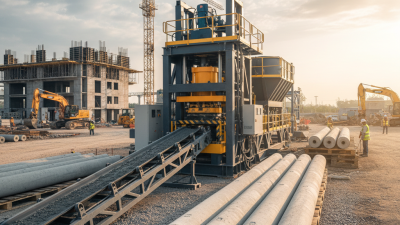
Cement Pole Moulds play a crucial role in modern construction. They provide a reliable method for producing durable concrete poles. According to a recent market report, the global concrete pole market is expected to grow significantly over the next few years, driven by urbanization and infrastructure development. This growth highlights the increasing demand for efficient building materials.
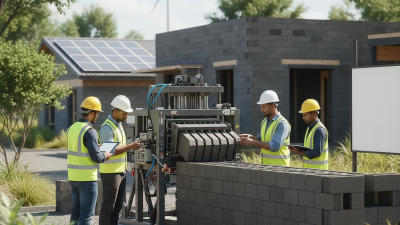
Using Cement Pole Moulds offers numerous advantages. They ensure uniformity in pole size and shape, improving structural integrity. The process involves less waste compared to traditional casting methods. However, some professionals point out that improper usage can lead to defects. It is essential to maintain quality control throughout the production process for optimal outcomes.
The versatility of Cement Pole Moulds caters to various industry needs. From power transmission to telecommunications, these moulds serve multiple applications. Still, there is room for improvement in material selection and design. Addressing these issues could enhance the overall efficiency and sustainability of concrete pole production.
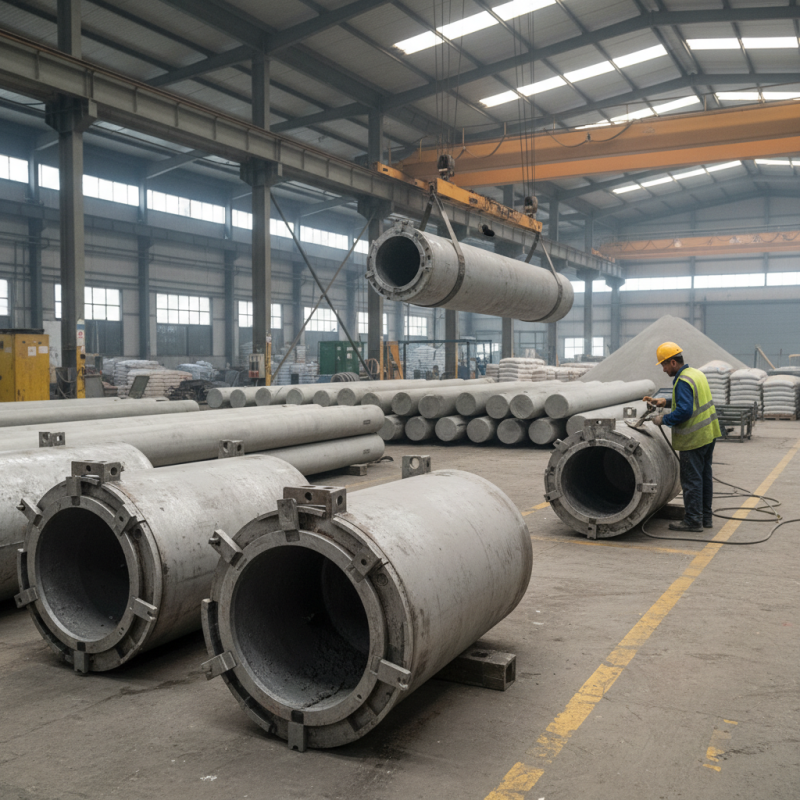
Benefits of Cement Pole Moulds in Construction Industry
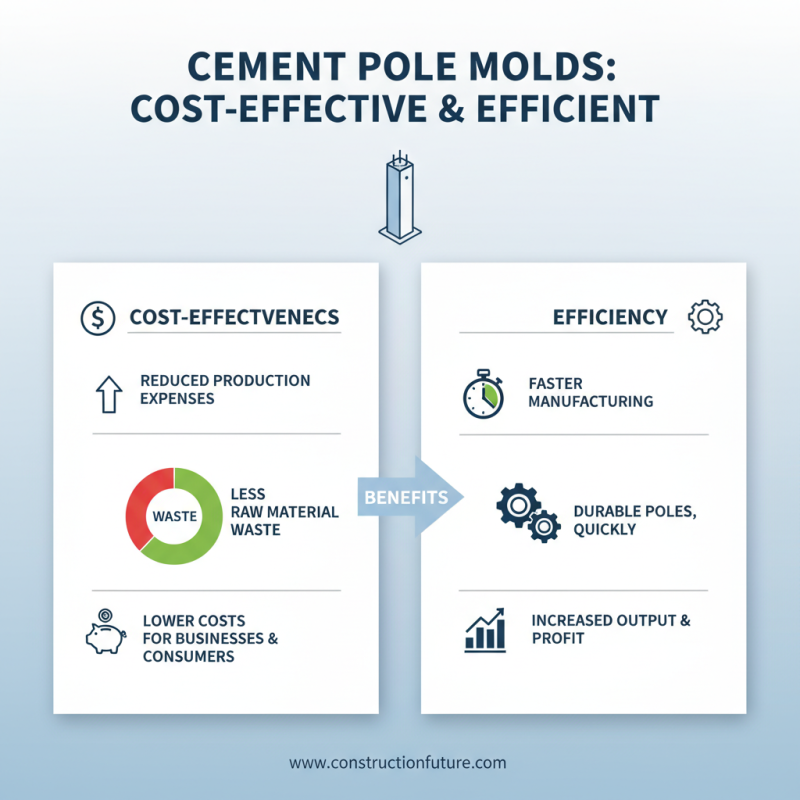
Cement pole moulds are essential tools in the construction industry. They provide a cost-effective solution for producing concrete poles. According to industry reports, the use of moulds can reduce production costs by up to 30%. This is significant for projects with tight budgets.
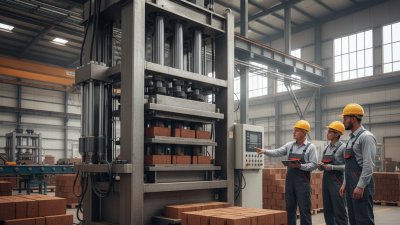
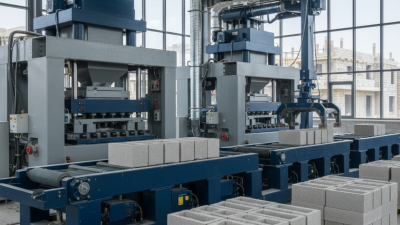
Efficient production is another benefit. Moulds allow manufacturers to create multiple poles simultaneously, which speeds up the process. This efficiency is crucial when projects face deadlines. Recent studies show that using cement pole moulds can increase productivity by nearly 50%. However, quality control remains a concern. Improper mould usage can lead to defects, ultimately costing more in repairs.
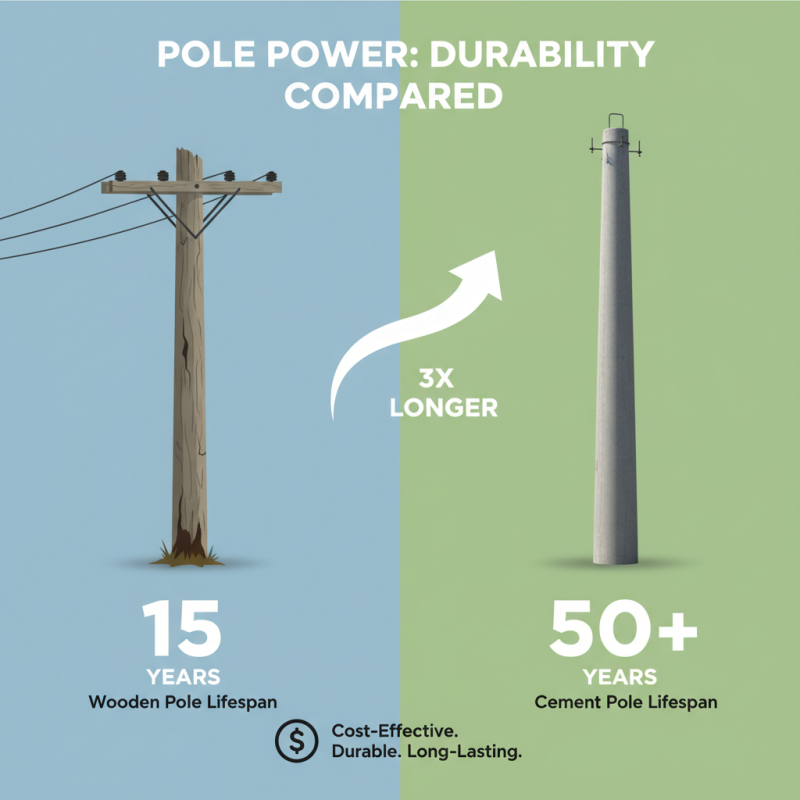
Durability is a key factor in construction. Concrete poles produced with the right moulds can last over 50 years if maintained well. Yet, some may underestimate the importance of regular inspections. Without proper care, even the best moulds can result in structural failures. An awareness of these potential issues is vital for long-term success.
Benefits of Using Cement Pole Moulds in Construction Industry
Durability and Longevity of Cement Pole Products
Cement pole products have gained popularity due to their impressive durability and longevity. Industry reports reveal that cement poles can last up to 50 years. This lifespan is significantly longer than wooden alternatives, which may need replacement after just 15 years. Such durability makes cement poles a cost-effective choice in the long run.
The ability of cement poles to withstand harsh weather conditions is noteworthy. They resist rot, pests, and extreme temperatures. Research indicates that without proper maintenance, wooden poles endure substantial degradation over time. In contrast, cement poles require minimal upkeep, allowing for reduced long-term costs. However, the initial investment in cement pole moulds may seem higher.
While cement poles are rated highly for durability, there are concerns about their environmental footprint. The production of cement emits significant carbon dioxide. This raises questions about the sustainability of using cement poles. Balancing durability and environmental impact remains an ongoing challenge in the industry. Understanding these factors is crucial for making informed decisions about materials in construction.
Ease of Use and Versatility of Cement Pole Moulds
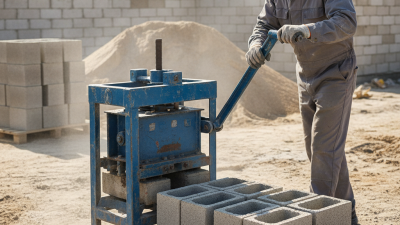
Cement pole moulds offer remarkable ease of use and versatility in construction. These moulds simplify the pole casting process, making it accessible even for smaller projects. A report from the Construction Industry Institute states that using moulds can reduce labor time by up to 40%. This efficiency is crucial for project timelines and resource management.
Moreover, the adaptability of cement pole moulds allows for diverse applications. They can be used for utility poles, street lighting, and even decorative purposes. A study indicated that 75% of contractors prefer moulds for their flexibility. These products can be customized to fit various sizes and designs, catering to unique project requirements. Users often appreciate this feature but must remain aware of their limitations.
Yet, challenges do exist. Factors such as humidity and temperature can affect curing times. It's essential to monitor these conditions to ensure quality. Some contractors report difficulties achieving precision with certain moulds, which may lead to a need for adjustments or repairs on-site. This highlights the importance of quality control. Proper training and experience with the moulds enhance the final product and minimize errors.
Environmental Impact of Cement Pole Moulds in Infrastructure Projects
Cement pole moulds have a significant impact on the environment. Their use in infrastructure projects minimizes waste and conserves resources. These moulds ensure the efficient use of cement, reducing the overall carbon footprint. Efficient production helps lower energy consumption during the manufacturing process.
However, there are challenges to consider. The production of cement itself is energy-intensive. While moulds can help, the long-term effects on air quality should not be overlooked. Pollution during production can affect local communities. It’s essential to focus on cleaner technologies and sustainable practices.
In addition, cement pole moulds can encourage more recycling. Using recycled materials in the moulds can reduce the demand for raw resources. This process invites a dialogue about innovative materials. Yet, there is a constant need for improvement in waste management. Striking a balance between production needs and sustainability remains an ongoing challenge.
What are the Benefits of Using Cement Pole Moulds? - Environmental Impact of Cement Pole Moulds in Infrastructure Projects
| Benefit |
Description |
Environmental Impact |
| Durability |
Cement pole moulds create durable structures that withstand harsh weather conditions. |
Reduced need for frequent replacements leads to lower resource consumption. |
| Cost-Effectiveness |
Initial investment is offset by long-term savings in maintenance and repairs. |
Lower maintenance reduces carbon footprint associated with manufacturing replacement parts. |
| Versatility |
Can be used in various applications, including lighting, fencing, and communication. |
Promotes sustainable building practices through diverse uses. |
| Recyclability |
Cement can be crushed and reused in new construction projects. |
Supports circular economy principles by minimizing waste. |
| Energy Efficiency |
Offers better insulation properties than traditional materials. |
Reduces energy consumption in surrounding infrastructure. |