Top Benefits of Fly Ash Brick Making Machine for Global Buyers?
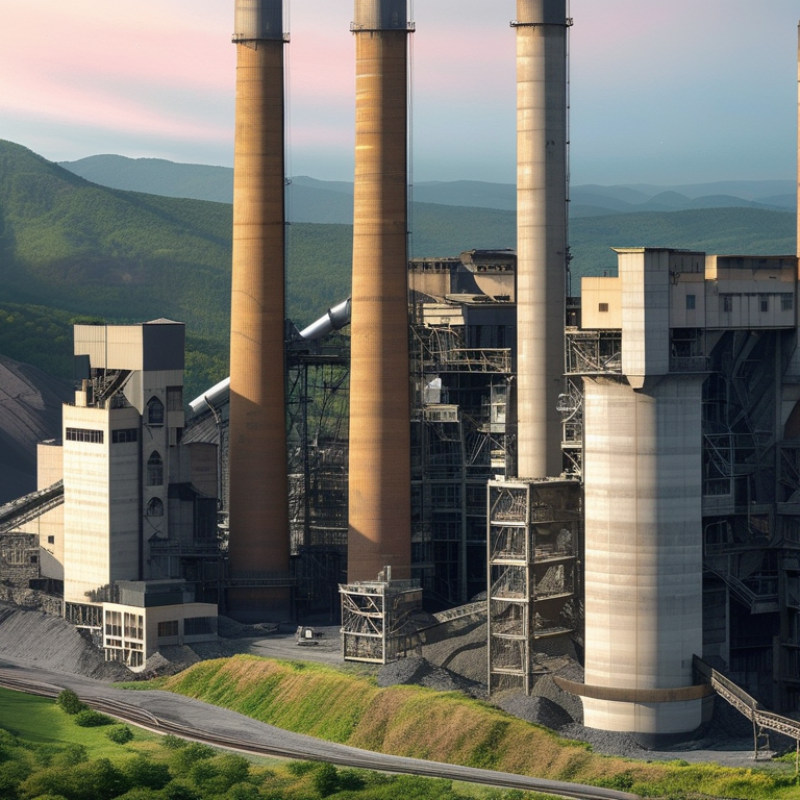
The increasing demand for sustainable construction solutions has highlighted the importance of the Fly Ash Brick Making Machine. According to a report by the Global Market Insights, the fly ash brick market is projected to grow at a CAGR of around 7% between 2021 and 2027. This growth reflects a shift towards eco-friendly building materials. Fly ash bricks, which utilize waste from coal power plants, contribute significantly to reducing carbon footprints.
In recent years, global buyers are recognizing the Fly Ash Brick Making Machine's advantages. It not only lowers production costs but also enhances strength and durability of structures. A study by the Indian Concrete Institute indicates that fly ash bricks can be as strong as traditional clay bricks but with a lighter weight. However, the technology and efficiency of different machines can vary greatly, prompting buyers to conduct thorough research.
The shift to using Fly Ash Brick Making Machines is not without challenges. Some manufacturers may still be unfamiliar with optimal operational practices. Knowledge gaps can lead to inefficient production and compromised quality. As the industry evolves, addressing these imperfections will be vital for maximizing benefits while maintaining sustainability.
Understanding Fly Ash Brick Making Machines
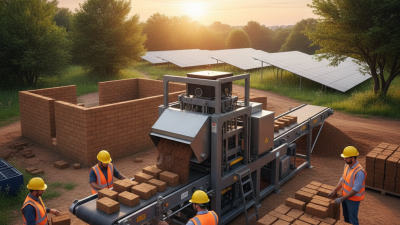
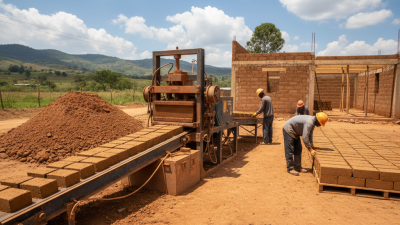
Fly ash brick making machines play a crucial role in sustainable construction. These machines process fly ash, a byproduct of coal combustion, transforming it into durable bricks. The production process involves mixing fly ash with water and other additives. This method not only reduces waste but also lowers energy consumption.
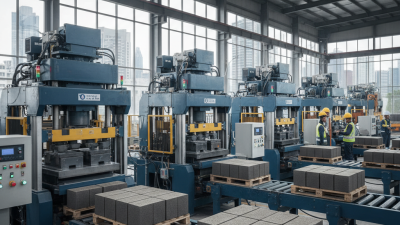
Understanding these machines is key for global buyers. They are designed for efficiency. Many operate automatically, minimizing labor costs and operational errors. Buyers should be aware that the performance can vary based on machine quality and the input materials used. Regular maintenance is essential for optimal performance, yet many overlook this aspect.
Investing in fly ash brick making machines can have profound environmental benefits. They help reduce the carbon footprint associated with traditional brick production. However, not all machines are created equal. Buyers must research carefully to ensure compliance with local regulations and quality standards. This due diligence is often neglected, leading to subpar results.
Top Benefits of Fly Ash Brick Making Machine for Global Buyers
Key Advantages for Global Buyers
Fly ash brick making machines offer numerous advantages for global buyers. These machines are designed to produce high-quality bricks with minimal waste. They utilize fly ash, a byproduct from power plants, promoting sustainable building practices. This not only reduces environmental impact but also helps in conserving natural materials.
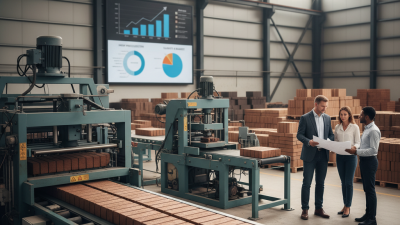
Investing in a fly ash brick making machine can lead to significant cost savings. Because the raw material is often less expensive, buyers can lower their production costs. Additionally, these machines can be automated, increasing efficiency and reducing labor costs. Some buyers may feel hesitant about the initial investment. Understanding the long-term benefits can ease this concern.
Tips: Research local regulations on fly ash use in construction. This can prevent future legal issues. Always assess the machine’s production capacity to ensure it meets your needs. If you're uncertain about market demand, consider starting small. A pilot batch can provide valuable insights. Balancing cost and quality is crucial, so take time to evaluate your options.
Cost-Effectiveness and Material Efficiency
Fly ash brick making machines offer significant cost-effectiveness and material efficiency for global buyers. These machines utilize fly ash, a byproduct of coal combustion, which is abundant and inexpensive. By using this material, manufacturers can reduce the cost of raw ingredients. This translates to lower production costs for companies, ultimately making construction more affordable.
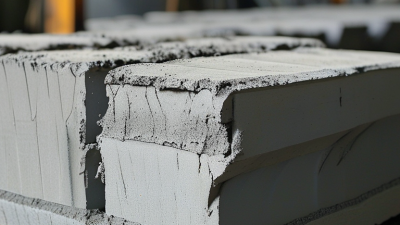
These machines not only cut costs but also promote sustainability. Fly ash bricks are lighter and stronger than traditional clay bricks. They require less energy to produce and reduce waste in landfills. Additionally, their thermal insulation properties can lead to energy savings in buildings. This dual benefit of cost-saving and environmental responsibility makes them attractive to various stakeholders across the globe.
Tips: Invest in machines that have a good track record and user feedback. Look for equipment with lower maintenance costs. Regularly monitor the quality of raw materials like fly ash to maintain output efficiency. Being thoughtful about these aspects can lead to long-term savings and improved production.
Environmental Impact and Sustainability Benefits
Fly ash brick making machines play a crucial role in promoting sustainability. These machines use fly ash, a byproduct of coal combustion, in brick production. This process diverts waste from landfills, directly contributing to environmental health. By repurposing fly ash, manufacturers reduce the need for traditional raw materials, which often involve extensive extraction processes.
The sustainability benefits of fly ash brick making are significant. The carbon footprint associated with traditional clay brick production is considerably higher. In contrast, fly ash bricks require less energy to produce and emit fewer greenhouse gases. They also have excellent thermal insulation properties, enhancing energy efficiency in buildings. This means lower heating and cooling costs for end-users. However, fly ash quality can vary, raising questions about the consistency of end products. Ensuring that the ash meets quality standards is vital for maintaining durability.
As global buyers consider these machines, they must reflect on the impact of using alternative materials. While there are many benefits, each manufacturer must assess local environmental regulations and market demands. The adoption of fly ash bricks isn’t without challenges and requires thoughtful consideration from producers and consumers alike.
Market Demand and Business Opportunities
The global demand for sustainable construction materials has surged.
Fly ash bricks offer an eco-friendly alternative to traditional bricks. They are made from industrial waste, reducing landfill use. This material's lightweight nature also cuts transportation costs. Buyers can take advantage of an expanding market focused on sustainability.
As cities grow, the need for affordable housing increases. Fly ash bricks are cost-effective yet durable. Their strength makes them suitable for diverse applications.
Investors see opportunities in manufacturing machines for brick production. The equipment can cater to various scales, from small businesses to large-scale operations.
However, challenges exist in ensuring quality and consistency in production. Buyers must consider sourcing high-quality fly ash. Training operators in machine use is essential for efficiency. These factors can impact the overall success of the business. Even with risks, the market's potential for profitability remains high.